

Title

Title Insurance: What Buyers Should Know About Title Issues

When buying a home, most people focus on the property’s condition, location and purchase price. However, there’s another important consideration that isn’t always visible during a showing: the property’s title.

Title issues can involve old mortgages, unpaid liens, recording errors or even questions about who legally owns the property. Although many problems are discovered and resolved before closing, others may not surface until years later.

That’s where title insurance becomes important. It can help protect a homeowner from financial losses involving certain ownership problems that existed before the property was purchased.

What Is a Property Title?

A property’s title refers to the legal rights associated with ownership. When you purchase real estate, you want to be confident that the seller has the right to transfer those ownership rights to you.

Before closing, a title examination reviews public records to identify potential problems. This typically involves reviewing deeds, mortgages, liens and other recorded documents.

The goal is to identify issues that could interfere with the transfer of ownership or create problems in the future.

Common Title Issues That Can Affect a Home Sale

Even properties that have changed hands several times can have title problems. Some are relatively simple to correct, while others require additional research or legal work.

Common examples include:

  • Unreleased mortgages: A previous mortgage was paid off, but the discharge was never properly recorded.
  • Outstanding liens: Unpaid taxes, judgments or other debts may create claims against the property.
  • Recording errors: A deed or other legal document may contain incorrect information.
  • Ownership questions: Missing heirs or improperly handled estates can create uncertainty about ownership rights.
  • Forgery or fraud: A document in the property’s ownership history may have been improperly executed.
  • Easements or restrictions: Certain recorded rights or limitations may affect how the property can be used.

Not every title issue prevents a sale. However, the closing attorney and title insurance company must determine how to address any problems that are discovered.

What Is a Letter of Indemnity From a Title Insurance Company?

One situation that can arise during a title examination involves an old mortgage that appears to remain outstanding.

For example, imagine a homeowner purchased a property 15 years ago. The previous owner’s mortgage was paid off at that closing, but the discharge was never properly recorded at the Registry of Deeds.

Now the current owner wants to sell.

During the new title examination, the closing attorney discovers that the old mortgage still appears in the public records. Even though the loan may have been paid, the missing discharge creates a title issue.

This is where a letter of indemnity may help.

A letter of indemnity, sometimes called a hold harmless letter, is an agreement between title insurance companies. Generally, the company that insured the earlier transaction agrees to protect the new title insurer against certain losses involving a specific title defect.

In other words, the previous insurer may agree to assume responsibility for a covered issue so the new insurer can proceed with appropriate protection.

A letter of indemnity does not necessarily remove the defect from the public records. Instead, it can provide an insurance-based solution that allows a transaction to move forward.

Whether this approach is acceptable depends on the title issue, the insurance companies involved and their underwriting requirements.

Why Is a Letter of Indemnity Important?

Without an acceptable solution, an unresolved title problem could delay a closing.

A letter of indemnity may allow the transaction to proceed without waiting for a missing document to be located or recorded. However, not every title issue qualifies for this arrangement.

There are several important considerations:

  • The earlier title insurance policy must provide a suitable basis for the request.
  • The prior insurance company must agree to provide indemnification.
  • The new title insurer must accept the arrangement.
  • Some defects must still be corrected before closing.

This is one reason having an owner’s title insurance policy can become valuable years after the original purchase.

Owner’s Title Insurance vs. Lender’s Title Insurance

Many buyers assume they already have title insurance because their mortgage lender requires it.

However, there are two different types of policies.

Lender’s Title Insurance

A lender’s policy protects the mortgage lender’s financial interest in the property. Most lenders require this coverage when issuing a mortgage.

The important distinction is that a lender’s policy does not protect the homeowner’s equity.

Owner’s Title Insurance

An owner’s policy protects the buyer’s ownership interest against covered title defects. It can also provide legal defense and financial protection if a covered claim arises.

Unlike a lender’s policy, owner’s coverage generally remains in effect while the insured homeowner maintains an ownership interest in the property, subject to the policy terms.

In Massachusetts, owner’s title insurance is generally optional. However, it is worth considering because the lender’s coverage is not a substitute for protecting your own investment.

Why Buy Title Insurance If a Title Search Was Already Completed?

This is a reasonable question.

If a closing attorney has already examined the property’s title, why would additional insurance be necessary?

The answer is that even a careful title examination cannot eliminate every possible risk.

Some problems may not be apparent in the available public records. Others could involve forged documents, previously unknown heirs or mistakes that aren’t discovered until years later.

A title search helps identify existing problems before closing. Title insurance provides protection against certain covered problems that may still arise afterward.

These are two different but complementary forms of protection.

How Much Does Title Insurance Cost?

Unlike homeowners insurance, which typically involves recurring premiums, title insurance is generally purchased with a one-time premium at closing.

The cost depends on factors such as the purchase price, policy type and insurance provider.

For many buyers, the expense is relatively small compared with the overall investment in a home.

It’s also important to understand what the policy covers. Title insurance policies contain exclusions, exceptions and limitations, so buyers should review the coverage with their closing attorney.

Can Title Issues Affect You When You Sell Your Home?

Absolutely.

A title problem may remain unnoticed for years until a homeowner decides to sell or refinance.

At that point, a new title examination may uncover an issue involving a previous transaction.

For example, the closing attorney might discover:

  • An old mortgage without a recorded discharge
  • A judgment or lien that was never released
  • An error in a previous deed
  • A missing document in the ownership history

Resolving these issues can take time. Depending on the circumstances, the homeowner’s existing title insurance company may be able to assist.

That’s why it’s a good idea to keep a copy of your owner’s title insurance policy with your important property documents.

Protecting Your Investment

For most people, buying a home is one of their largest financial decisions. While inspections help buyers understand the physical condition of a property, title insurance addresses a different type of risk.

You may never need to make a claim. In fact, most homeowners will never experience a serious title dispute.

However, if an ownership problem does arise, the financial consequences can be significant.

Understanding how title insurance works, why title issues occur and how a letter of indemnity may help resolve certain problems can make the buying and selling process less confusing.

Buying or Selling a Home in Massachusetts?

Whether you’re purchasing your first home or preparing to sell a property you’ve owned for decades, understanding the closing process is important.

Tibbetts Real Estate Group helps buyers and sellers navigate real estate transactions throughout Andover, North Andover, Haverhill and surrounding Massachusetts communities.

EXPLORE LOCAL REAL ESTATE:

[View Homes for Sale in Andover →]

[Search Homes for Sale in North Andover →]

[Find Homes for Sale in Haverhill →]

[Contact Tibbetts Real Estate Group →]

Title insurance coverage and indemnity arrangements depend on the specific policy and circumstances. Your Massachusetts closing attorney can explain the legal requirements and available options for your transaction.


North Andover Real Estate Market


What’s New:

The North Andover real estate market saw 10 new properties come on the market this week, including 4 single-family homes and 6 condominiums. New listings ranged from approximately $275,000 to $1.100,000, giving buyers a fresh group of homes to consider.

Beyond the new listings, it’s also helpful to look at the bigger picture. Current inventory, recent sales, price changes and homes going under agreement can tell us much more about the direction of the local market.

Here’s a look at what’s happening in North Andover this week.

New Listings in North Andover This Week

The following properties were newly listed for sale in North Andover during the past week.

Single-Family Homes

Condominiums


These links provide the current listing information, photos and property details available through the MLS.

Inventory can change quickly. Some properties may receive offers shortly after being listed, while others may remain available longer.

View All Homes for Sale in North Andover

North Andover Market by the Numbers

New listings are only one part of the North Andover real estate market. Looking at overall activity provides better context for both buyers and sellers.

This Week’s Market Snapshot

  • New listings: 10
  • Single-family homes currently for sale: 35
  • Condos currently for sale: 16
  • Average days on market: 35

These numbers provide a quick snapshot of current activity. However, the numbers become more useful when we compare them with what has been happening over the previous several weeks.

What’s Happening With Inventory?

We may see overall inventory increase while the number of homes available within a certain price range remains limited. That can create very different market conditions depending on what a buyer is looking for.

A buyer searching below $700,000 may be experiencing a completely different market from someone searching above $1 million.

That’s one reason town-wide statistics don’t always tell the entire story.

Randy’s Local Market Take

Inventory increased slightly this week, but choices remain limited for buyers looking for single-family homes below $800,000. Several of the new listings entered the market at higher price points, which added to the total inventory without significantly changing the options available to buyers at the lower end of the market.

I’m also watching the number of price reductions. An increase doesn’t necessarily mean home values are falling. In many cases, it can indicate that sellers are adjusting asking prices after testing the market.

The next few weeks should give us a better idea of whether inventory continues to build or begins to level off.

What Should Buyers Watch This Week?

For buyers, new inventory creates opportunity.

If more homes are coming on the market, there may be less pressure to make a decision immediately. However, desirable properties can still attract attention quickly.

Buyers should pay particular attention to:

  • New listings within their price range
  • Recent price reductions
  • Days on market
  • Comparable recent sales
  • Properties returning to the market
  • Changes in available inventory

Don’t assume every property will receive multiple offers. At the same time, don’t assume a slower overall market means every seller is ready to negotiate.

Real estate conditions can vary considerably by property and price range.

What Should Sellers Watch This Week?

Sellers should pay close attention to the competition.

If three similar homes come on the market in the same week, buyers suddenly have choices they didn’t have a week earlier.

Pricing and presentation become especially important when inventory increases.

On the other hand, a home entering a price range with very little competition may be in a stronger position.

Before setting an asking price, sellers should look at more than recently sold homes. It’s also important to understand what buyers will see when they search for competing properties today.

Following the North Andover Market Week by Week

One week of housing data doesn’t establish a trend.

However, following the numbers over time can reveal changes that aren’t always obvious from individual listings.

Over the coming weeks, I’ll be watching:

  • New inventory
  • Price reductions
  • Days on market
  • Pending sales
  • Closed sales
  • Changes within different price ranges

Following these numbers should give us a clearer picture of where the North Andover real estate market is heading.

It can also help buyers and sellers make decisions based on what is actually happening locally rather than relying only on national real estate headlines.

Search North Andover Real Estate

Want to see what’s currently available?

North Andover Homes for Sale

Condos for Sale in North Andover

North Andover Community Guide

The North Andover real estate market changes every week. Check back for the latest new listings, sales activity, inventory changes and local market observations from Tibbetts Real Estate Group.

North Andover Condominiums For Sale

23 listings found

$659,900
78 Compass Pt North Andover, MA
3 bd | 3 ba | 2,175 sq ft
9 Icehouse Rd. Under Contract
$899,900
9 Icehouse Rd. North Andover, MA
2 bd | 3 ba | 2,352 sq ft
$500,000
3 Harvest Dr North Andover, MA
2 bd | 2 ba | 1,243 sq ft
23 Merrimack St New
$375,000
23 Merrimack St North Andover, MA
4 bd | 2 ba | 2,094 sq ft
7 Walker Rd Under Contract Virtual Tour
$249,900
7 Walker Rd North Andover, MA
2 bd | 1 ba | 805 sq ft
106 Second Street New
$589,900
106 Second Street North Andover, MA
3 bd | 3 ba | 1,644 sq ft
4 Harvest Drive New
$499,000
4 Harvest Drive North Andover, MA
2 bd | 2 ba | 1,112 sq ft
23 Edgelawn Ave Active
$310,000
23 Edgelawn Ave North Andover, MA
2 bd | 1 ba | 850 sq ft
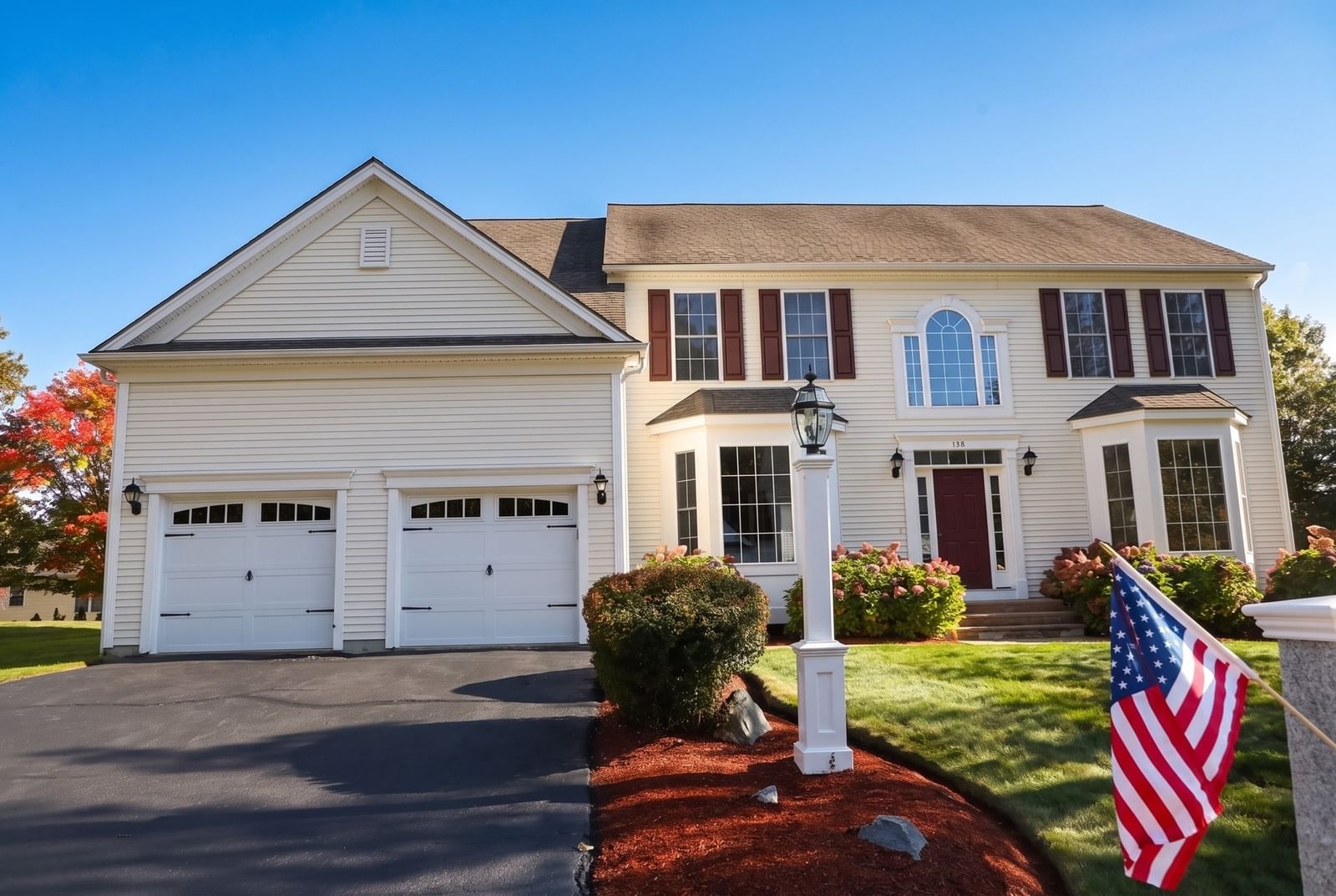
$1,149,900
138 Amberville Rd North Andover, MA
4 bd | 4 ba | 4,827 sq ft
$465,000
210 Chickering Rd North Andover, MA
2 bd | 2 ba | 1,026 sq ft
8 Walker Road Active
$289,999
8 Walker Road North Andover, MA
2 bd | 1 ba | 780 sq ft
1401 Great Pond Road Under Contract
$319,000
1401 Great Pond Road North Andover, MA
1 bd | 1 ba | 783 sq ft
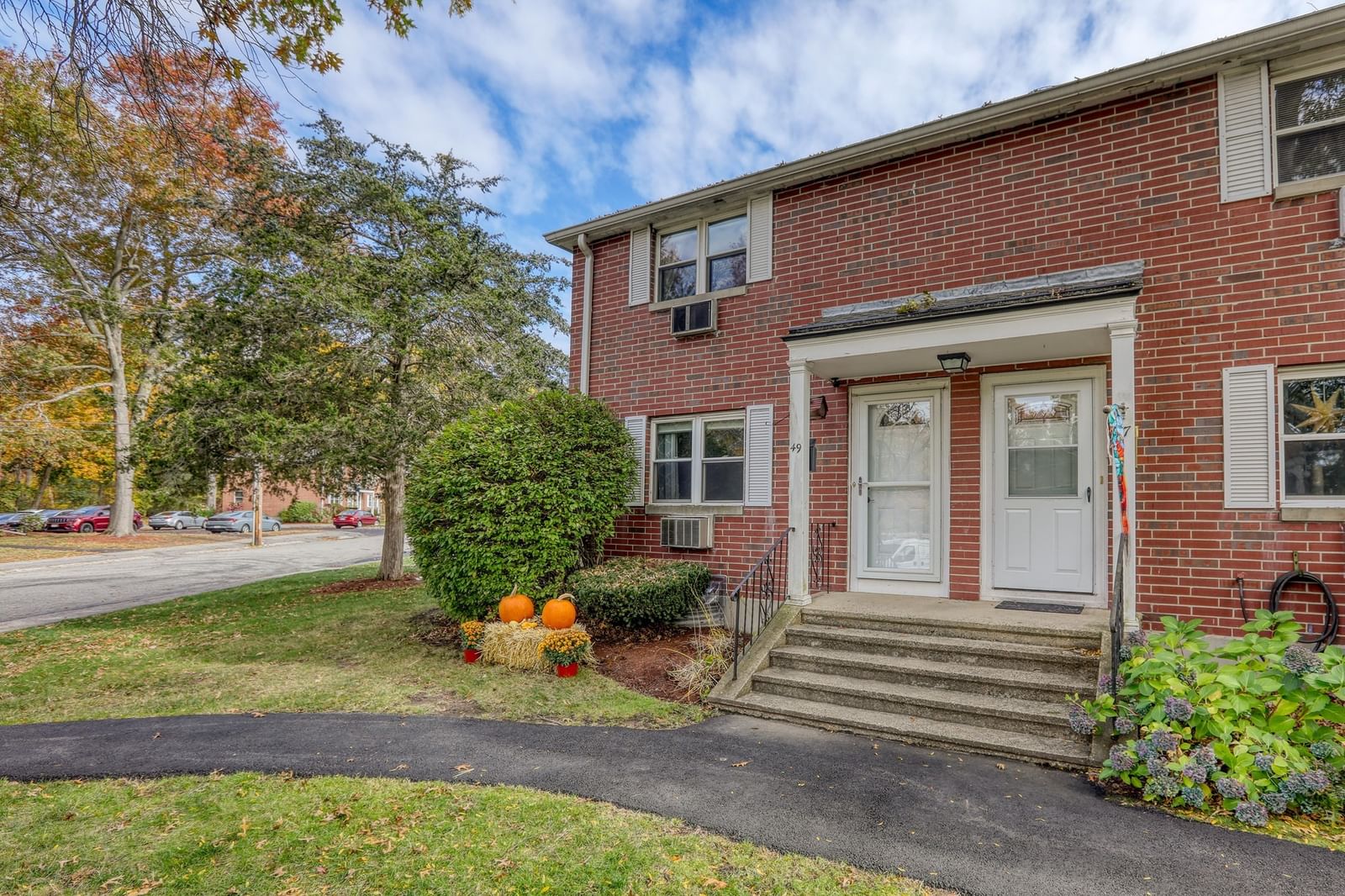
49 Kingston Active
$365,000
49 Kingston North Andover, MA
2 bd | 1 ba | 1,272 sq ft
459 Stevens St Active
$529,900
459 Stevens St North Andover, MA
3 bd | 2 ba | 1,374 sq ft
230 Chickering Rd Active
$289,999
230 Chickering Rd North Andover, MA
2 bd | 1 ba | 650 sq ft
$409,900
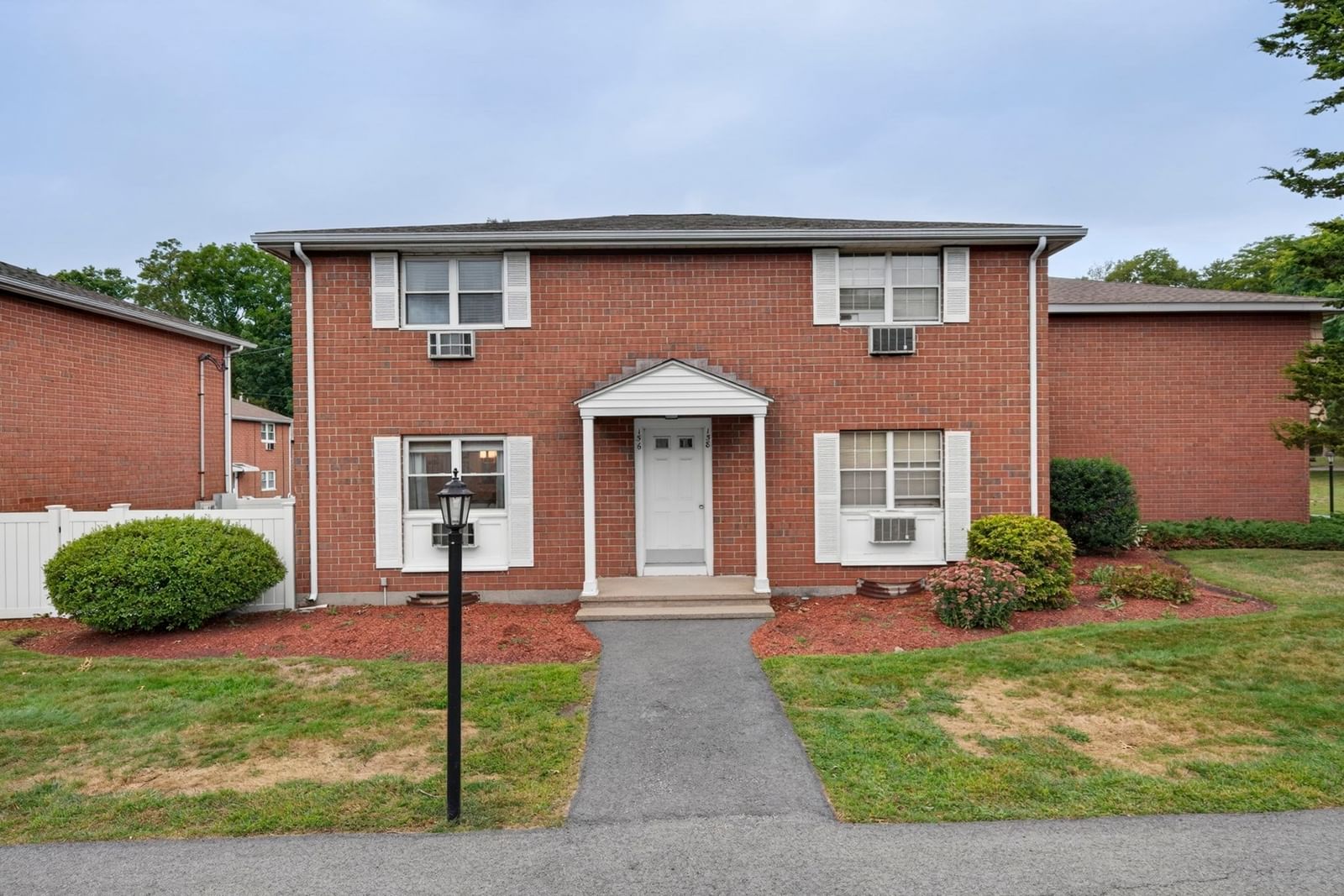
156 Kingston St North Andover, MA
2 bd | 2 ba | 871 sq ft
72 E Water St Under Contract
$474,900
72 E Water St North Andover, MA
2 bd | 2 ba | 1,756 sq ft
$514,900
8 Bixby St North Andover, MA
2 bd | 2 ba | 1,302 sq ft
250 Sutton Street Active
$599,900
250 Sutton Street North Andover, MA
3 bd | 3 ba | 1,546 sq ft
$335,000
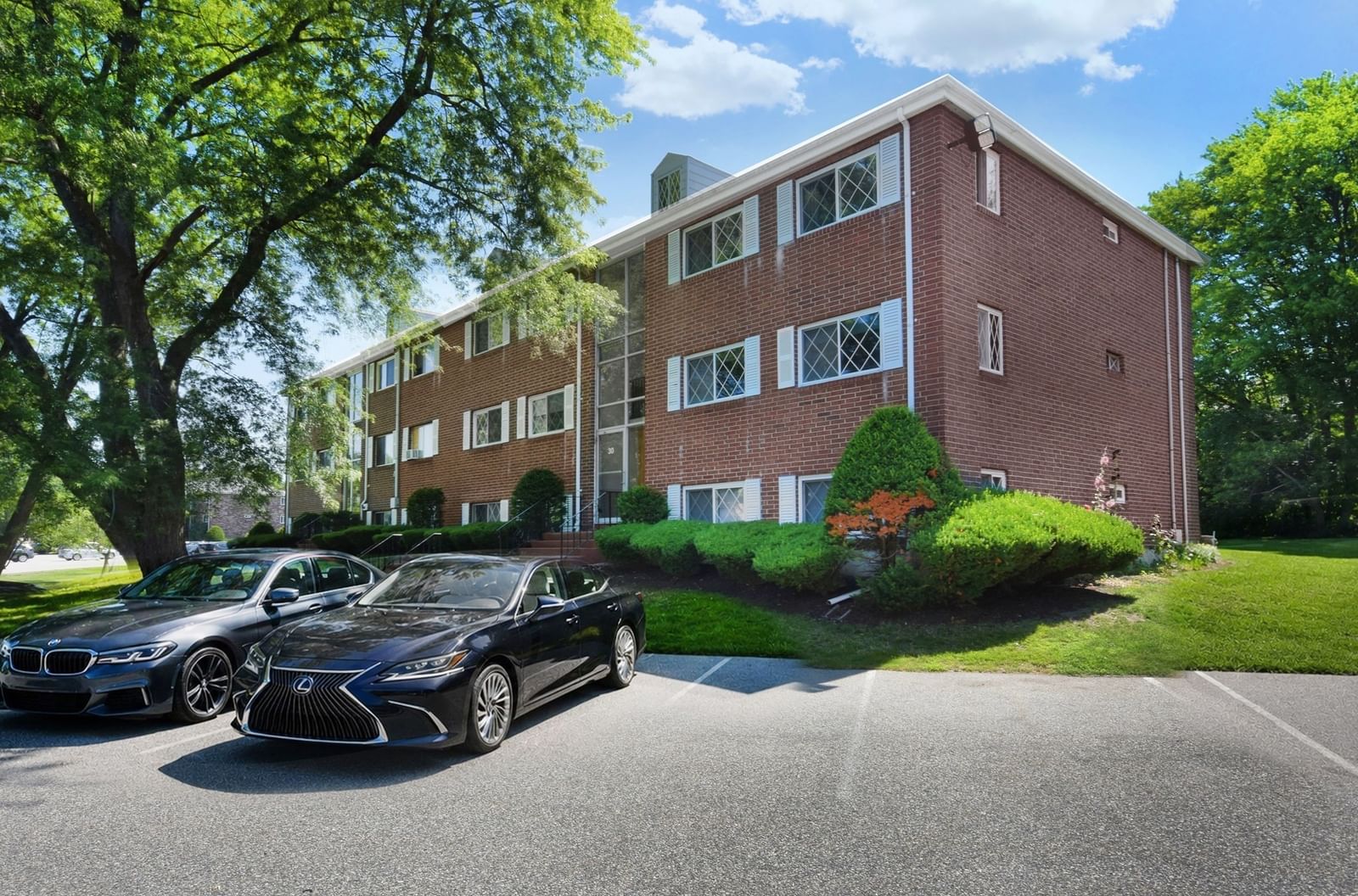
30 Fernview Ave North Andover, MA
2 bd | 1 ba | 850 sq ft
156 Chestnut Ave Active
$299,900
156 Chestnut Ave North Andover, MA
1 bd | 1 ba | 749 sq ft
$529,900
20 Mill Pond North Andover, MA
3 bd | 4 ba | 1,963 sq ft
21 Fernview Ave Active
$249,000
21 Fernview Ave North Andover, MA
1 bd | 1 ba | 675 sq ft

Ask a Local Real Estate Expert

Thinking about moving to North Andover? Contact Randy Tibbetts for local market insights, neighborhood information, and personalized assistance with your home search.

things home buyers overlook


10 Things Buyers Don’t Notice Until After They Move In

When touring a home, it’s natural to focus on the big things. Buyers notice the kitchen, bathrooms, bedroom sizes, backyard and overall condition. But some of the most important things home buyers overlook have less to do with how a house looks and more to do with how it will feel to live there every day.

A home showing only gives you a short amount of time to take everything in. Before making an offer, it can be helpful to slow down and look beyond the obvious features. Here are 10 things that buyers sometimes don’t fully appreciate until after they move in.

1. The Neighborhood at Different Times of Day

A quiet street on a Saturday morning may feel completely different during the Monday morning commute. Nearby schools, businesses and commuter routes can all change traffic patterns throughout the day.

If you’re seriously considering a home, drive through the neighborhood a few different times. Morning and evening rush hour are helpful, but you may also want to visit after dark or around school dismissal.

You aren’t just buying the house. You’re also buying the location and everything that comes with it.

2. How Sunlight Moves Through the Property

Buyers often notice that a home is bright, but they don’t always consider how that light changes during the day.

A family room filled with morning sunlight may be much darker in the afternoon. The same is true outside. A backyard that looks perfect for a pool, garden or patio may receive more or less sunlight than you expect.

The direction a home faces can affect:

  • Natural light inside the home
  • Gardens and landscaping
  • Pools
  • Patios and decks
  • Solar panels
  • Outdoor living areas

If natural light is important to you, pay attention to the time of your showing and where the sun is located.

3. How Much Storage You Actually Need

Storage is one of those features that’s easy to take for granted until you don’t have enough of it.

A home can have plenty of square footage but very little practical storage. Take a look at the coat closets, bedroom closets, pantry, basement, attic and garage.

Think about where you’ll store everyday items as well as things you only use occasionally.

That includes:

  • Coats and shoes
  • Cleaning supplies
  • Holiday decorations
  • Luggage
  • Sports equipment
  • Outdoor furniture
  • Seasonal clothing

Storage may not be the feature that makes you fall in love with a home, but you’ll appreciate having it after you move in.

4. Whether Your Furniture Works With the Rooms

An empty room can look surprisingly large. It can also hide an awkward layout.

Look at where the doors, windows and fireplaces are located. Then think about where your furniture would actually go.

A large family room with several doorways, a fireplace and a wall of windows may have fewer furniture options than a smaller rectangular room.

The same applies to bedrooms. A room may technically be large enough for a king-size bed, but that doesn’t necessarily mean there’s a practical place to put one.

Try to picture your furniture in the home rather than simply looking at the dimensions.

5. Water Pressure

Water pressure probably isn’t going to determine whether you buy a house, but it’s something you’ll notice every day once you live there.

Turn on a faucet during the showing. If possible, check an upstairs bathroom as well.

The home inspection will give you another opportunity to look more closely at the plumbing system. You can also see what happens when more than one fixture is being used.

It’s a small detail, but that’s exactly why buyers sometimes miss it.

6. Cell Phone Reception

This is another simple one.

Take your phone out and look at the signal.

If you work from home or rely heavily on your phone, check reception in the rooms where you’ll spend the most time. Don’t forget the basement, garage and backyard.

Wi-Fi calling can solve many reception problems, but it’s still better to discover weak cell service during a showing than after moving day.

7. What the Driveway Will Be Like in Winter

This is especially important when buying a home in Massachusetts.

A long or steep driveway may look perfectly manageable in June. Snow and ice can change things considerably.

Pay attention to:

  • Driveway slope
  • Pavement condition
  • Drainage
  • Parking
  • Turnaround space
  • Plowing access
  • Where snow can be piled

Also think about your daily routine. A long walk from the driveway to the house may be beautiful most of the year, but less appealing when you’re carrying groceries through the snow.

8. The Sounds Around the Home

Most showings involve a lot of conversation. Take a minute and stop talking.

Listen.

You may hear road traffic, airplanes, trains, nearby businesses, sports fields or neighborhood activity that you didn’t notice when you first arrived.

The season can make a difference too. Trees and landscaping can provide a surprisingly effective barrier during the summer. Once the leaves fall, both the view and the sound can change.

Noise is subjective. What matters is knowing what’s there before you buy.

9. What’s Beyond the Property Line

A nice backyard can grab your attention, but look beyond it.

What’s behind the trees? What’s on the next street? Is there conservation land, another neighborhood, commercial property or undeveloped land nearby?

Also look at the elevation of the surrounding properties. If neighboring land sits considerably higher, think about where water may travel during a heavy rain.

These aren’t necessarily reasons not to buy a property. They’re simply things home buyers overlook when most of their attention is focused on the house itself.

10. How the Home Will Work on an Ordinary Day

This may be the most useful test of all.

Imagine that you’ve lived in the house for six months. It’s no longer exciting and new. It’s simply Tuesday and you’re coming home from work with groceries.

Which door do you use?

Where do coats and shoes and the kids leave their backpacks? Is there outside space for the dog? Trash barrels go where? Packages drop-off and deliveries? Guest Parking?

These details aren’t particularly exciting during a showing, but they have a lot to do with whether a house functions well for you.

A beautiful home is important. A home that makes everyday life easier may be even better.

A Second Showing Can Look Very Different

The first time buyers walk through a property, there’s usually an emotional reaction. You like it or you don’t.

A second showing can have a completely different purpose.

Instead of concentrating on finishes and first impressions, take another look at how the house actually works. Open the closets. Look out the windows. Think about your furniture. Stand in the driveway. Walk around the yard and listen to the neighborhood.

Many of the things home buyers overlook aren’t defects or serious problems. They’re simply details that become much more noticeable once you live in a home every day.

No house is going to be perfect. The goal is to understand the home you’re buying and decide whether its advantages—and its quirks—work for you.

Looking for a Home?

Online listings are a great way to begin a home search. Photos, floor plans and property details can help you decide which homes are worth seeing.

But there’s no substitute for walking through a property and looking beyond the listing photos.

SEARCH HOMES FOR SALE:

North Andover Massachusetts 01845 homes for sale.

North Andover Massachusetts 01845 condominiums for sale

Tibbetts Real Estate Group can help you evaluate not only what a home looks like during a showing, but how well it may work once you’re actually living there.


100 Sutton Hill Rd North Andover MA

New North Andover For Sale. This expanded Cape Cod offers a rare combination of space, flexibility, and an exceptional North Andover location close to the Town Common, Youth Center, Parks and schools. The main home features four bedrooms, two full baths, a dedicated office, hardwood floors, stainless steel appliances, and beautifully renovated bathrooms with quartz-topped vanities. The first floor has plenty of character, with arched openings connecting the main living spaces and a fireplace anchoring the comfortable living room. The dining room features built-in cabinetry and overlooks the backyard and pool, providing a beautiful setting for everyday meals or entertaining. A 770 sq. ft. in-law or au pair suite adds tremendous versatility with its own bedroom, full bath, kitchen, living area, and private washer and dryer. This separate living space is ideal for an in-law suite, extended family, guests, an au pair, or anyone looking for additional privacy within the home. Outside, mature plantings and established landscaping surround a sparkling in-ground pool and inviting backyard designed for summer entertaining and relaxing. The oversized 30′ x 30′ garage offers exceptional space for vehicles, storage, hobbies, or a workshop. Owned—not leased—solar panels provide another valuable benefit, helping reduce electric costs without the obligation of a solar lease. With its flexible floor plan, updated baths, hardwood floors, charming architectural details, separate living suite, beautiful backyard and pool, and impressive oversized garage, this is a distinctive home in a wonderful North Andover neighborhood.

Click button for full listing details.

100 Sutton Hill Rd. North Andover MA 01845


North Andover Neighborhoods

North Andover offers a variety of neighborhoods, each with its own unique character and appeal.

Old Center

The historic Old Center area showcases the town’s colonial heritage with beautiful historic homes, tree-lined streets, and proximity to local landmarks.

Library District

A charming, central area known for its community spirit, walkable streets, and proximity to local amenities.

Downtown North Andover

Downtown North Andover continues to evolve with a mix of local businesses, restaurants, shops, and residential developments. Residents enjoy a walkable environment and convenient access to everyday amenities.

Stevens Estate Area

Surrounding the historic Stevens Estate, this area features attractive residential neighborhoods, scenic landscapes, and access to community events held throughout the year.

Bear Hill / Smolak Farms

The western portion of town offers larger lots, open spaces, and a more rural atmosphere while still providing convenient access to major routes and town services.

Why People Choose North Andover

North Andover consistently attracts homebuyers because of its combination of strong community values, desirable neighborhoods, quality schools, recreational opportunities, and convenient location.

Residents appreciate:

    • Beautiful New England character
    • Diverse housing options
    • Strong sense of community
    • Commitment to education
    • Excellent commuter access
    • Abundant recreational opportunities
    • Convenient shopping and dining
    • Proximity to Boston and Southern New Hampshire

Whether you’re looking for a historic Colonial, a modern condominium, a luxury estate, or a family-friendly neighborhood, North Andover offers something for nearly every lifestyle.

Reduced Real Estate Commission


Why Pay Based on a 20-Year-Old Model?

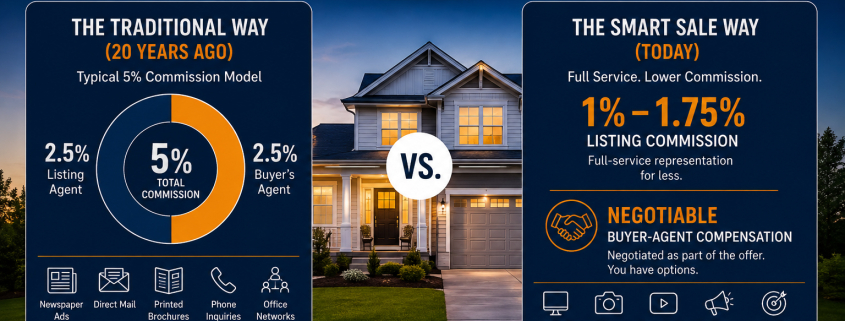
A reduced real estate commission can make a significant difference in how much money a homeowner keeps when selling a property. For decades, a common real estate commission structure was approximately 5% of the sale price, often divided between the listing side and the buyer’s side. But real estate marketing has changed dramatically over the last 20 years. Technology, online home searches, MLS syndication, social media, enhanced photography, video, and AI have made it possible for modern brokerages to provide full-service representation much more efficiently.

So why should homeowners automatically pay commissions based on a business model developed decades ago?

The Traditional 5% Real Estate Commission Model

For many years, a common commission structure when selling a home was approximately 5% of the selling price. In a typical example, approximately 2.5% was associated with the listing side of the transaction and approximately 2.5% with the buyer’s side.

There was a reason for higher commission structures.

Twenty years ago, marketing a property often involved newspaper advertising, real estate magazines, printed brochures, direct mail, office networks, telephone inquiries, and other expensive and time-consuming methods.

The internet existed, but buyers didn’t search for homes online with anything close to the efficiency they do today.

Real estate has changed.

The commission structure doesn’t necessarily have to remain the same.

Technology Has Changed How Homes Are Sold

Today’s buyers can discover a new listing within minutes of it entering the market.

Once a home is entered into the Multiple Listing Service (MLS), property information can be distributed electronically to real estate websites and brokerage platforms. Buyers receive automated alerts matching their search criteria and can immediately view photographs, property details, maps, tax information, and other information from their phones or computers.

Social media provides another way to place properties in front of potential buyers. Digital marketing, video, enhanced photography, email, and AI-assisted listing tools allow agents to create and distribute marketing material faster than ever before.

This doesn’t mean good real estate agents are no longer valuable.

It means technology allows experienced agents to work more efficiently.

And that efficiency can make a reduced real estate commission possible without automatically reducing the level of service provided to the seller. See if you qualify for SMARTSALE.

Reduced Commission Doesn’t Have to Mean Reduced Service

This is probably the most important distinction for homeowners to understand.

Reduced commission and reduced service are not the same thing.

There are limited-service and flat-fee real estate companies that provide only certain services. That model may work for some homeowners, but it isn’t the only alternative to a traditional commission.

A modern full-service brokerage can provide services such as:

  • Pricing and market analysis
  • Property preparation and positioning
  • Enhanced photography
  • MLS listing and exposure
  • Online listing syndication
  • Social media and digital marketing
  • Showing coordination
  • Buyer and agent communication
  • Offer analysis
  • Negotiation
  • Inspection assistance
  • Appraisal coordination
  • Transaction management through closing

Technology makes many of these services easier and less expensive to deliver than they were 20 years ago.

That creates the opportunity for full-service brokerages to operate under a more efficient commission model.

What Can a Reduced Listing Commission Save?

The difference between a traditional listing-side commission and a modern reduced listing commission becomes particularly noticeable as home values increase.

Consider an $800,000 home.

At a 2.5% listing commission, the listing-side commission would be:

$20,000

At a 1.75% listing commission:

$14,000

At a 1.5% listing commission:

$12,000

And at a 1% listing commission:

$8,000

Compared with 2.5%, that’s potential savings of between $6,000 and $12,000 on the listing side alone.

The question sellers should ask isn’t simply whether one percentage is lower than another.

The real question is:

What services am I receiving for the money I’m paying?

If a brokerage can provide professional, full-service representation for less, the seller may be able to keep thousands of additional dollars from the sale.

Buyer-Agent Compensation Is a Separate Conversation

Another important change in today’s real estate market is how buyer-agent compensation is handled.

The listing brokerage’s commission and the buyer agent’s compensation should be viewed as separate components of the transaction.

Buyer-agent compensation is negotiable.

Depending on the transaction, a buyer may pay their agent directly or may ask the seller to contribute toward the buyer agent’s compensation as part of their offer.

A seller can then evaluate that request along with the rest of the offer.

Instead of automatically assuming that a predetermined percentage of the selling price will go toward the buyer’s agent, sellers can consider the entire financial package being presented.

Look at the Net Proceeds of an Offer

This is where the newer compensation structure becomes particularly interesting.

Imagine receiving two offers.

Buyer A offers $800,000 and asks the seller to contribute 2% toward the buyer agent’s compensation.

Buyer B offers $790,000 and doesn’t request buyer-agent compensation from the seller.

The $800,000 offer initially appears better.

But is it?

The seller and listing agent should calculate the seller’s estimated net proceeds and consider financing, contingencies, inspection terms, closing dates, and the likelihood that each transaction will successfully close.

Buyer-agent compensation becomes another negotiable financial term of the offer.

That gives sellers an opportunity to evaluate what matters most:

How much money will I actually receive from the sale?

Higher Commission Doesn’t Automatically Mean Better Marketing

There can be a perception that paying a higher commission automatically results in better marketing.

That isn’t necessarily true.

Two brokerages could place the same property in the MLS and provide similar online exposure while charging very different listing commissions.

The important differences may instead be the quality of the presentation, pricing strategy, marketing plan, local market knowledge, responsiveness, negotiation skills, and experience of the agent handling the transaction.
Sellers should compare services—not simply commission percentages.

A reduced real estate commission only represents genuine value when it is combined with the professional services necessary to successfully market and sell the property.

Experience Still Matters

Technology can streamline real estate, but it doesn’t eliminate the need for experience.

Selling a home can involve difficult pricing decisions, multiple offers, inspection negotiations, appraisal problems, financing complications, title issues, deadlines, and unexpected problems.

An online platform can’t always solve those problems.

An experienced real estate professional can.

The opportunity created by technology isn’t to eliminate the real estate agent. It’s to allow experienced agents and brokerages to operate more efficiently while continuing to provide professional representation.

That is a very different concept from simply offering a “cheap” listing service.

Why Automatically Pay Based on the Old Model?

There is nothing inherently wrong with a traditional commission structure if the seller believes the services justify the expense.

But homeowners should understand that they have options.

If one brokerage charges approximately 2.5% on the listing side while another can provide comparable or better full-service representation for 1% to 1.75%, it’s reasonable to ask what justifies the difference.

On an $800,000 home, even a 1% difference represents $8,000.

On a $1 million home, it’s $10,000.

Homeowners routinely negotiate mortgage rates, contractor estimates, insurance premiums, and other major expenses.

Real estate commissions shouldn’t be any different.

A Modern Approach to Selling Real Estate

The way homes are marketed and sold has changed dramatically over the last 20 years.

Buyers are online. Listings are distributed electronically. Marketing can reach thousands of people quickly. Communication is nearly instantaneous. AI and digital technology continue to make the process even more efficient.

A modern real estate business model should reflect those changes.

For some homeowners, that may mean choosing an experienced full-service brokerage offering a reduced real estate commission of approximately 1% to 1.75% on the listing side while treating buyer-agent compensation separately as a negotiable component of an offer.

The objective isn’t simply to pay the lowest commission possible.

It’s to receive the service, marketing, exposure, experience, and representation necessary to achieve a successful sale—without paying more than necessary to get it.

Before listing your home, don’t simply ask what the traditional commission has always been.

Ask what you’re getting for your money.

And ask whether today’s real estate market offers a smarter alternative.

SOLD

SALE PRICE

$385,000


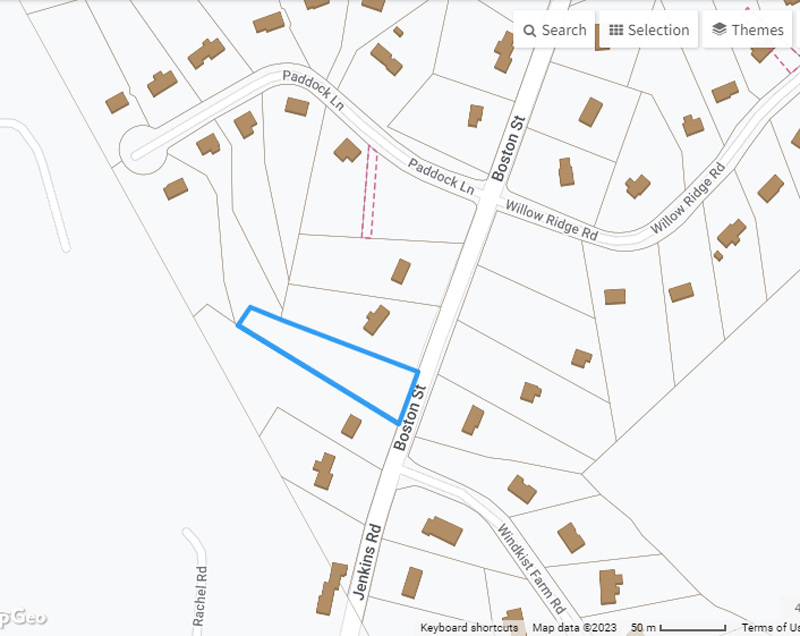
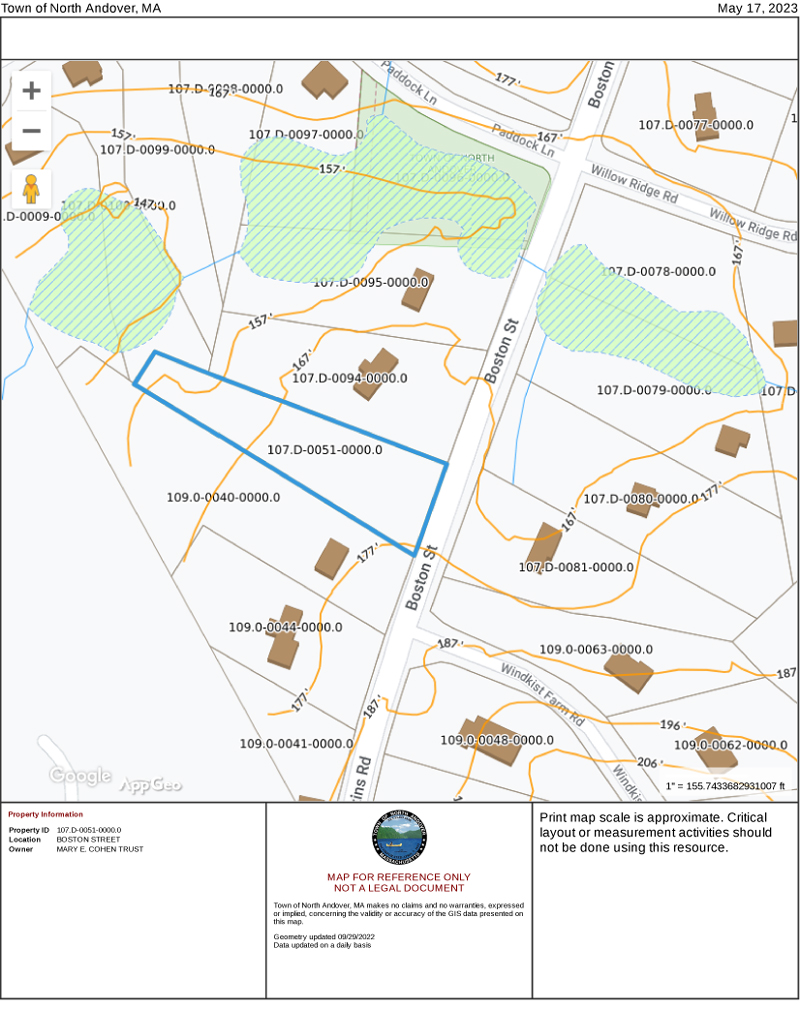
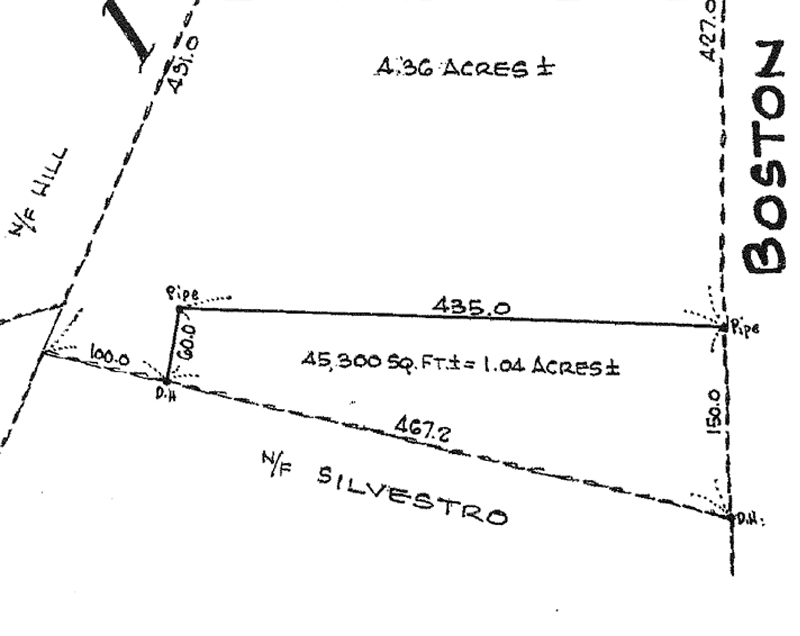
Lot for sale North Andover MA. Buildable 1.04 Acre lot in North Andover! This rare buildable lot is located in a quiet location amongst many handsome single family homes with many newly constructed homes over the past few years. 150 feet of street frontage. This lot is level with a slope at the rear of the property and wooded with easy access to RT 125 and then to I93.

This location is convenient for recreational hiking, biking and fishing at the Harold Parker State Forest or simply a refreshing walk through the woods. The Town of North Andover has this property zoned as Residence 2 with electric and water at the street. Why buy used when you have the opportunity to build new! Don’t miss the opportunity to build your dream home. Buyers and buyers agents to do their own due diligence as information gathered has come from third parties.

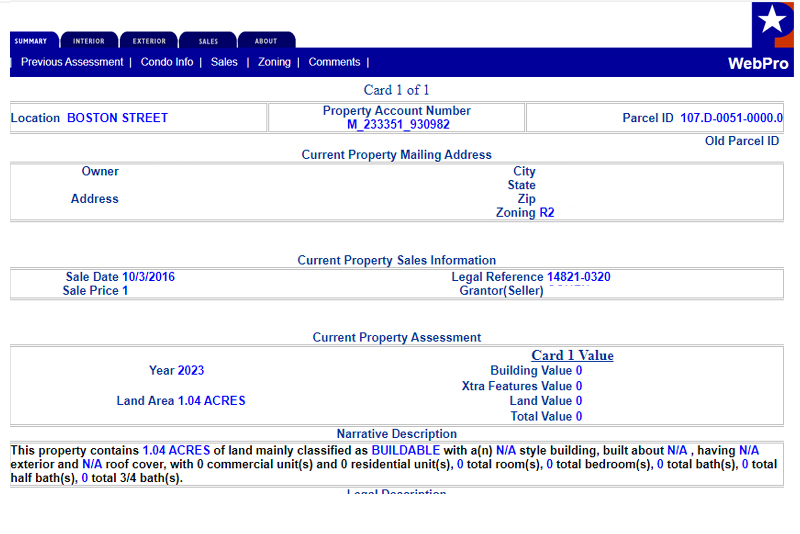
TYPE of PROPERTY LAND / LOT ID: 107.D-0051-0000.0
ACRES 1.04 ZONED R2


Town of North Andover MA MAP GEO


Lot for sale North Andover MA

150 Feet of street frontage

Lot for sale North Andover MA

Town of North Andover MA wetlands map


North Andover Property Card


Boston Street Walk through video


first time buyer tips

First time buyer tips. Doing something for the first time is always a challenge. The same goes for buying your first home (or helping someone you know with their first home purchase). Today, that can be even more challenging, with competition from more buyers for fewer homes. Here’s how to succeed in making homeownership a reality.

Find out your credit score. Go to annualcreditreport.com, the only source for free credit reports authorized by federal law. You can now get one free report weekly from each of the three major credit bureaus. Lenders use this score to determine your viability as a borrower. Here’s more information if you need to improve your credit score.

Calculate your DTI. Your DTI (debt-to-income ratio) is also important when applying for a mortgage. It shows the percent of your income that’s used to pay your bills. Divide your monthly debts by your monthly income. For example, if you make $6,000 per month and have $2,700 in monthly debts, that’s a DTI of 45%.

Familiarize yourself with mortgage terminology. The mortgage lending process uses some special terms that will be unfamiliar to newcomers. Here are the definitions of the key mortgagefirst time buyer tips terms you may come across, provided by the federal government’s Consumer Financial Protection Bureau.

Learn about different loan options. We’re happy to talk to you about the various loan options available. You can get a head start on the conversation by looking at some background information. Here’s more on loan options from the Consumer Financial Protection Bureau.

Don’t forget closing costs. In addition to the cost of the home, there are charges involved with the buying process—items such as an appraisal, home inspection, credit reporting, title work, origination fees, and more. Closing costs are typically about 3% to 6% of the purchase price. You can either plan to pay these costs, or finance them as part of the mortgage.

First time buyer tips

Save what you need for a down payment. While a 20% down payment isn’t required to buy a home, if you put down less, you might have to pay for private mortgage insurance (PMI). Depending on your circumstances, you could qualify for a loan with lower down payment options like: a fixed-rate conventional loan; an FHA loan; a VA loan for active military and veterans; a USDA loan with programs for people who live in rural areas who meet certain income qualifications. A lender can help research these loans, as well as first-time homebuyer programs from Fannie Mae, Freddie Mac, and government resources. These can help with a down payment or give you additional low down payment options.

HOW FIRST-TIME HOMEBUYERS CAN SUCCEED

Tibbetts real estate buyer tips

Experienced representation

Think about how to make a competitive offer. You should absolutely show credit worthiness and your mortgage pre-approval with your offer. Additionally working with an experienced real estate broker or agent is key when forming your offer to purchase. An experienced broker can guide you through the paperwork, current market situation and the nuances of making an offer. When it comes time to bid on a property, you can include or remove items in your offer to purchase that strengthen your position as a buyer.

Tour and find your new home by attending an Andover MA open house.


[optima_express_open_home_report id=”2446522″ sortBy=”ds” header=”false” includeMap=”false”]


What is an Andover MA open house?

An open house is an event during which potential buyers can tour a home that’s on the market. It’s usually hosted by the seller’s listing agent, or by the seller themselves, in case of a for-sale-by-owner (FSBO) listing. Open houses usually take place on weekends, during a set range of hours — typically midday.

Open house benefits for buyers

No scheduling required: Unlike a private showing, you don’t need to set up a specific appointment to see a home. Simply show up during the open house hours and view the home at your own pace.

Scope out the competition: If you’re interested in a home, attending the open house can help you gauge interest from other buyers. This can be helpful when determining how quickly you need to submit an offer and how much you should offer.

All Andover MA homes for sale.

Understand current home values: Seeing what homes are selling for in your area and what you can buy at a particular price point can be helpful if you’re just starting your search.

Redefine your nonnegotiable home features: Checking out homes in person can help you redefine your list of must-haves: Do you really need that extra bedroom? What does a backyard of this size really look like?

How do open Andover MA open house work?

Not every seller or listing agent will hold one, but here’s the typical process for sellers setting up an open house:

The seller and their agent determine a day and time for the open house.
The agent lists the open house on the local MLS.
The agent advertises the open house on social media, online and with print ads or flyers.
The agent prepares for the open house — purchasing refreshments, printing flyers, setting up signs and adding little touches to make the home feel welcoming to buyers. (Yes, as a shopper, you can eat the cookies.)
The agent hosts the event, greeting buyers and answering questions about the property and community.
Buyers remove their shoes, tour the home, take pictures and video (if allowed) and jot down important notes.
Any buyer who liked the house will contact their own agent. They’ll then set up a private showing to see the home again or they’ll submit an offer right away — the latter is common in fast-moving real estate markets.

All Andover MA condominiums for sale

Who hosts an open house?

The person hosting an open house could be any one of the following:

Listing agent: As the person hired to sell the home, the listing agent should be an expert Andover MA open house agent of the property.
Listing agent’s team member or associate: A busy listing agent may also send another agent in their place — either someone on their team or another agent in their office. They should be experts in the local market, but may not be as familiar with the individual home.

Andover MA homes for sale

Find the latest Andover MA open houses in 01810 Single family homes and condominiums for saleAndover homes for sale. For sale on great streets like Balmoral, Overlook, Maple, Francis Drive, Andover Country Club, Spring Valley, Powder Mill Square, Ivana Drive.  Search homes for sale in quaint Andover neighborhoods of Ballardvale, Shawsheen Village, South Andover MA and West Andover MA.
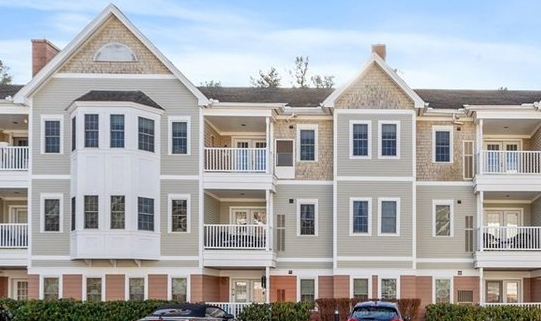
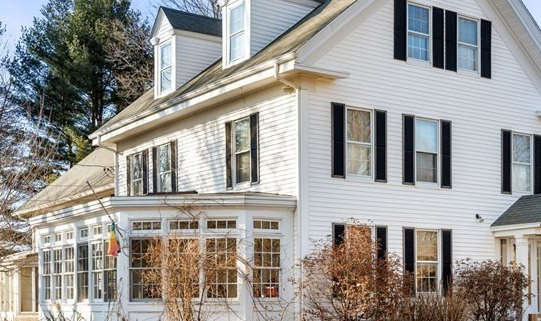
For additional Andover MA real estate for sale or rent click Andover MA luxury homes for sale, Andover MA condominiums for sale, Andover MA Multi-family, Andover MA real estate for rent and Andover MA commercial real estate.

All Andover MA Open House for sale listings come directly from the Massachusetts MLS and list condominiums for sale that are currently active and on the market to view. Contact Randy Tibbetts.