
Why Is My Home Not Selling in North Andover?
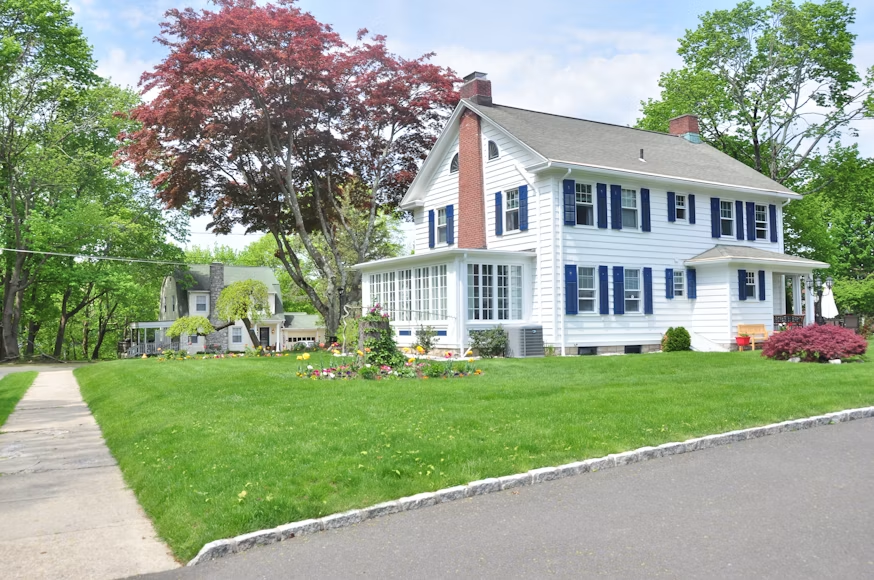
Why Is My Home Not Selling? What Sellers Should Know
Putting your home on the market is exciting, especially when you expect strong buyer interest. However, what happens when the showings slow down, offers don’t arrive and the days on market continue to increase? If you’re asking, “Why Is My Home Not Selling in North Andover?”, you’re certainly not alone. Today’s housing market presents different challenges than sellers experienced just a few years ago. Higher borrowing costs, changing buyer expectations and increased competition are all influencing how quickly properties sell.
The good news is that a home sitting on the market doesn’t necessarily mean something is wrong with the property. Often, a few adjustments can make a meaningful difference.
Today’s Buyers Are More Selective
The housing market has changed since the period of historically low mortgage rates and intense buyer competition.
Higher borrowing costs have reduced purchasing power for many buyers. As a result, shoppers are paying closer attention to asking prices, property condition and the overall cost of homeownership.
Inflation also plays a role. Buyers must consider expenses beyond their mortgage payments, including:
- Property taxes
- Homeowners insurance
- Utilities and maintenance
- Condominium fees
- Potential repairs and improvements
These expenses affect affordability and can influence how much a buyer is willing to offer.
Even buyers who can comfortably afford a property may hesitate if they believe the asking price doesn’t reflect current market conditions.
Homes Are Spending More Time on the Market
Recent national housing data illustrates why sellers need to pay attention to changing market conditions.
In one recent weekly market report, the typical home spent 61 days on the market, matching the pace from the same period a year earlier.
The report also showed:
- New listings decreased 4.1% compared with the previous year.
- Total available inventory increased 6.7% over the same period.
- Homes were accumulating on the market despite fewer new properties being listed.
These figures suggest that slower sales activity, rather than a surge of new listings, was contributing to higher inventory.
Although these are national figures from a particular reporting period, the underlying lesson is relevant to local sellers. When homes take longer to sell, buyers have more opportunities to compare properties before making a decision.
Local conditions in Andover, North Andover and surrounding communities may differ, so town-specific sales activity remains important.
1. Your Asking Price May Be Too High
Pricing is often the first place to look when a home isn’t selling.
Many sellers understandably want to maximize their sale price. However, the asking price needs to reflect what buyers are willing to pay in the current market.
A home can be beautifully maintained, well located and attractively presented. If buyers believe it’s overpriced, they may simply move on to another property.
Overpricing can lead to several problems:
- Fewer showings
- Limited buyer interest
- Longer days on market
- Increased competition from new listings
- Eventual price reductions
One common mistake is pricing a home based on what a neighbor received six months or a year ago.
Those sales are useful, but current competition matters just as much.
The market determines value, not the seller’s expectations.
2. Your North Andover Home Is Competing With Better Options
Buyers rarely evaluate a property in isolation.
Instead, they compare homes within a similar price range. That means your property is competing with other available listings, even when those homes are in neighboring communities.
For example, someone considering a home in North Andover may also be looking in Andover, Middleton or Haverhill.
If another property offers more living space, a better layout or fewer needed repairs at a similar price, buyers may find it more appealing.
Sellers should regularly review competing listings and consider:
- Asking prices
- Property condition
- Square footage
- Lot size
- Updates and renovations
- Days on market
- Recent price reductions
Understanding the competition can help explain why one home attracts buyers while another receives little attention.
3. The First Few Weeks Are Important
A new listing typically receives attention from buyers who have already been searching for a home.
These buyers may have alerts set up for new properties within their preferred locations and price ranges.
When a home first enters the market, it has an opportunity to attract that existing pool of interested buyers.
If the asking price is too high, some may never schedule a showing.
As time passes, the listing loses its new-to-market status. Buyers may also begin wondering why the property hasn’t sold.
That’s why accurate pricing and strong marketing from the beginning are so important.
A seller can always reduce the asking price later, but the property won’t have the same initial exposure it received when first listed.
4. Your Listing May Not Be Making a Strong First Impression
Most buyers begin their home search online.
Before scheduling a showing, they review listing photos, property descriptions and available details.
If the online presentation doesn’t capture their attention, they may never visit the property.
A strong listing presentation should include:
- High quality photos
- Accurate property information
- A clear and informative description
- Floor plans when available
- Appropriate property preparation
- Broad online exposure
Marketing should highlight the property’s strengths without creating unrealistic expectations.
A home that looks appealing online is more likely to earn a closer look from interested buyers.
5. Property Condition May Be Affecting Buyer Interest
Not every home needs a complete renovation before selling.
However, buyers often consider the cost and inconvenience of repairs when evaluating a property.
Outdated finishes may be acceptable if the asking price reflects the condition. The challenge arises when a property needs significant work but is priced similarly to updated homes.
Common concerns include:
- Aging roofs
- Older heating and cooling systems
- Water damage
- Worn flooring
- Outdated kitchens and bathrooms
- Exterior maintenance
- Unfinished repairs
Sellers don’t necessarily need to correct every issue. In many cases, adjusting the price to reflect the property’s condition may be more practical.
The important thing is making sure buyers see reasonable value.
6. Your Home May Be Reaching the Wrong Buyers
Sometimes the problem isn’t the property or even the asking price.
It may be how the home is positioned in the market.
For example, a property with an in-law apartment may appeal to multigenerational households. A home with a first-floor primary bedroom could attract buyers seeking single-level living.
Other features may appeal to different audiences, including:
- Home offices
- Accessory living spaces
- Large garages
- Private outdoor areas
- Flexible floor plans
- Proximity to commuting routes
A listing should clearly communicate the features that distinguish the property from competing homes.
However, marketing must also comply with fair housing requirements and avoid suggesting preferences or limitations based on protected characteristics.
7. Showing Access May Be Too Restrictive
Buyers often tour several properties during a limited period.
If a home is difficult to show, they may choose another property instead.
Common obstacles include limited showing hours, lengthy advance-notice requirements or restrictions on weekends.
While sellers need reasonable accommodations for their schedules, greater flexibility can help increase opportunities for showings.
Even a well-priced property needs buyers to walk through the door.
8. The Market May Have Changed Since You Listed
Housing conditions don’t remain constant throughout the year.
Mortgage rates, seasonal demand, competing inventory and economic news can all influence buyer activity.
For example, higher-than-expected inflation can contribute to elevated Treasury yields and borrowing costs. Mortgage rates don’t move in perfect alignment with Treasury yields, but both are influenced by broader financial conditions.
When financing becomes more expensive, some buyers reduce their budgets. Others postpone their purchases or become more selective.
This doesn’t mean homes stop selling.
Instead, sellers may need to adjust their expectations to reflect the buyers who are active in the market today.
9. Your Listing Photos May Not Be Showing Your Home at Its Best
First impressions matter, especially when most buyers begin their home search online. Poor lighting, unflattering angles, cluttered rooms or photos that fail to highlight a property’s best features can cause buyers to overlook an otherwise attractive home. High quality listing photos should showcase the home’s space, natural light, layout and unique features while accurately representing the property. Even a well-priced home in North Andover may struggle to attract showings if its online presentation doesn’t capture buyers’ attention.
What Should You Do If Your Home Isn’t Selling?
If you’ve been wondering Why Is My Home Not Selling in North Andover? The first step is to review the listing’s performance rather than immediately making a large price reduction.
Start by looking at the available information.
Are buyers viewing the listing online?
Low online activity may suggest a problem with pricing, exposure or presentation.
Are buyers scheduling showings?
Strong online activity with few showings may indicate that buyers like the property but don’t see enough value to visit.
Are buyers touring the home but not making offers?
This can suggest concerns about condition, layout, location or asking price.
Are similar properties selling?
If comparable homes are going under agreement while yours remains available, it’s worth examining what those properties offer that yours may not.
The answers can help determine whether a pricing adjustment, marketing change or property improvement is the most appropriate next step.
Check the photos of your property online.
First impressions matter, especially when most buyers begin their home search online. Poor lighting, unflattering angles, cluttered rooms or photos that fail to highlight a property’s best features can cause buyers to overlook an otherwise attractive home.
Should You Reduce the Asking Price?
A price reduction can be effective, but it should be based on current market information.
Small reductions may not always change how buyers view a property. In some situations, a more meaningful adjustment can bring the home into a different search range and attract additional attention.
For example, a property priced at $825,000 may be excluded from searches with an $800,000 maximum.
Adjusting the price to $799,900 could introduce the property to buyers who weren’t seeing it previously.
Of course, every situation is different. The appropriate strategy depends on competing inventory, buyer demand and the seller’s goals.
A thoughtful pricing decision is usually more effective than making repeated reductions without a clear plan.
A Longer Time on Market Doesn’t Mean Your Home Won’t Sell
One of the biggest misconceptions about real estate is that a home sitting on the market must have something wrong with it.
That’s not necessarily true.
Some properties appeal to a smaller group of buyers. Others require more time because of their price range, location or unique characteristics.
However, sellers should pay attention when a property consistently receives little interest.
The goal isn’t simply to wait longer. It’s to understand what the market is telling you.
Sometimes the solution involves better photos or more flexible showing arrangements. Other times, the asking price needs to change.
Why Is My Home Not Selling in North Andover? Start With the Market
Every property has a market value, but that value isn’t determined by what the seller needs to receive or what similar homes sold for in the past.
It’s determined by what buyers are willing to pay today.
Higher borrowing costs and more selective buyers have made accurate pricing increasingly important. At the same time, well-positioned properties can still attract strong interest.
If you’re asking why is my home not selling, consider the entire picture. Pricing, condition, competition, marketing and current demand all play a role.
Understanding those factors can help you make better decisions and move toward a successful sale.
Thinking About Selling Your Home?
Tibbetts Real Estate Group helps homeowners throughout Andover, North Andover, Haverhill and surrounding Massachusetts communities evaluate pricing, prepare their properties and develop effective marketing strategies.
Whether you’re getting ready to list or reconsidering a property that’s been on the market for a while, understanding current local conditions is an important first step.
Explore Local Real Estate:
Contact Tibbetts Real Estate Group to discuss your property’s position in today’s market.
 Randy Tibbetts is an independent real estate broker providing professional residential & commercial real estate services in MA
 ADDRESS
