Why Buyers Love Colonial Homes in Andover MA

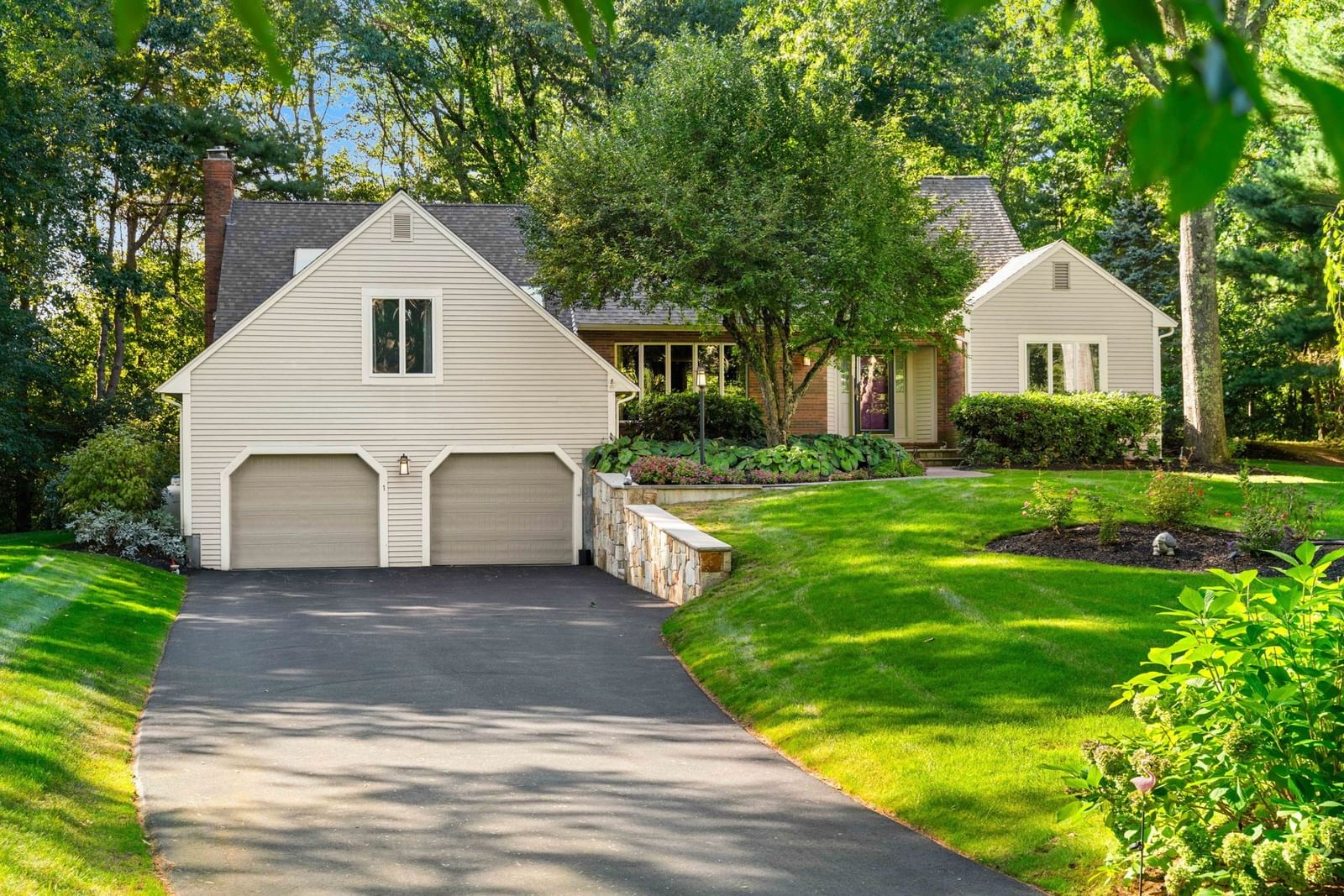
Ask buyers what style of home they’re hoping to find in Andover MA and there’s a good chance you’ll hear Colonial. While buyers certainly purchase Capes, Ranches, Split Entries, Raised Ranches and Contemporaries, Colonial homes in Andover MA continue to have exceptionally broad appeal.

I’ve seen that preference firsthand while working with local buyers. But I wanted to see if the actual sales numbers showed anything interesting.

So I looked at the past 16 months of single-family home sales in Andover and North Andover and compared Colonials with every other home style.

They did.

What Did Local Colonial Homes Sell For?

Over the 16-month period I reviewed, the numbers broke down like this:

Colonial Homes

  • Average sale price per square foot: $430
  • Average days on market: 18 days

All Other Home Styles

  • Average sale price per square foot: $400
  • Average days on market: 31 days

Colonial homes sold for approximately $30 more per square foot, or about 7.2% more, than all other architectural styles combined.

The difference in marketing time was almost double 18 – 30.

The difference in price per square foot is considerable as well.

What Does a $30 Per Square Foot Difference Mean?

On a 2,000-square-foot home, $30 per square foot represents $60,000.

On a 2,500-square-foot home, it’s $75,000.

Of course, that doesn’t mean taking a 2,500-square-foot Ranch and turning it into a Colonial would suddenly make it worth another $75,000.

There are too many variables in real estate.

Neighborhood, condition, age, renovations, lot size, garage space, bedrooms, bathrooms and overall quality all affect what a buyer will pay. Smaller homes can also naturally command higher prices per square foot.

But a 7.2% difference across actual Andover MA sales is significant enough to be worth noticing.

It also lines up with what I see when working with buyers.

Why Are Colonials So Popular Here?

Part of the appeal is probably familiarity.

Drive through established neighborhoods in Andover and Colonials are everywhere.

Some are older traditional homes closer to the town centers. Others are Garrison Colonials built during the postwar growth of the towns. Move into subdivisions developed during the 1980s, 1990s and 2000s and you’ll find larger Center Entrance Colonials with attached garages, family rooms and primary bedroom suites.

The architecture changed over time, but the basic floor plan remained remarkably consistent.

Buyers understand it.

Living downstairs. Bedrooms upstairs.

Sometimes simple is exactly what works.

Colonials Fit Andover Neighborhoods

One of the interesting things about these two towns is the variety of Colonials you’ll find.

A buyer might find an older Colonial relatively close to downtown Andover’s Town Common and then tour a much newer Colonial later that afternoon in a completely different type of neighborhood.

Depending on location and age, buyers may encounter:

  • Antique and early traditional Colonials
  • Center Entrance Colonials
  • Garrison Colonials
  • Colonial Revivals
  • Expanded Colonials
  • Larger subdivision Colonials
  • Custom-built Colonials

That gives buyers a wide range of choices while maintaining the basic architectural style they prefer.

Colonial vs. Cape Cod Homes

Capes are also a natural fit for Andover.

They have classic New England character and can be particularly attractive when they’ve been expanded or renovated.

But traditional Capes usually have one-and-a-half stories rather than two full stories.

That can mean:

  • Sloped second-floor ceilings
  • Smaller upstairs bedrooms
  • Less closet space
  • Dormers needed for additional usable space
  • First-floor bedrooms in some layouts

For some buyers, that’s part of a Cape’s charm.

But families looking for three or four full bedrooms on the same level often gravitate toward a Colonial instead.

Colonial vs. Ranch Homes

Ranches have a completely different advantage: single-level living.

That can make a Ranch particularly desirable for downsizers or buyers thinking about aging in place.

And because Andover and North Andover have a limited supply of Ranch homes, a nicely updated one can generate considerable buyer interest.

But a Ranch requires a larger footprint to provide the same amount of living area.

A Colonial can put 2,500 square feet on two levels while maintaining a relatively compact footprint. That’s particularly useful on lots where homeowners still want a good-sized backyard, patio, pool or other outdoor space.

What About Split Entries and Raised Ranches?

You’ll also find plenty of Split Entries and Raised Ranches throughout Andover.

These homes can offer buyers a lot of usable space for the money.

The lower level may provide:

  • Family room
  • Home office
  • Additional bedroom
  • Laundry
  • Storage
  • Garage
  • Exercise room
  • Flexible living space

The tradeoff is the layout.

Some buyers don’t mind walking through the front door and immediately having stairs going both up and down.

Other buyers simply don’t like it.

That’s one area where the Colonial has an advantage. The traditional entry and floor plan tend to be less polarizing.

Colonials Can Be Traditional Outside and Modern Inside

Another reason Colonial homes in Andover MA remain popular is that they adapt extremely well.

Many older Colonials were built with separate kitchens, dining rooms, living rooms and family rooms.

Over the years, local homeowners have opened walls, expanded kitchens and added onto these homes.

Today it’s common to see updated Colonials offering:

  • Open kitchen and family-room layouts
  • Large kitchen islands
  • Mudrooms
  • First-floor offices
  • Primary bedroom suites
  • Finished basements
  • Rear additions
  • Screened porches or sunrooms
  • Larger decks and patios
  • Three-season or four-season rooms

The result can be the best of both worlds: a traditional New England exterior with a modern interior.

Does a Colonial Automatically Mean a Higher Home Value?

No.

A beautifully renovated Ranch in a desirable Andover neighborhood could easily be worth more than an outdated Colonial nearby.

Architectural style is only one part of determining value.

But our recent local numbers are hard to ignore.

Colonial homes in Andover averaged $430 per square foot over the 16-month period reviewed. Other home styles averaged 400 per square foot.

That’s approximately a 7.2% difference.

It doesn’t prove that being a Colonial caused the higher selling price. But it does suggest that the style continues to perform very well in these two local markets.

And broad buyer appeal certainly doesn’t hurt when it’s time to sell.

Looking for a Colonial in Andover?

If a traditional two-story layout is important to you, searching specifically for Colonials can be a good way to narrow down the available inventory.

SEARCH LOCAL HOMES:

[View Colonial Homes for Sale in Andover →]

[View All Andover Homes for Sale →]

There isn’t one architectural style that’s perfect for every buyer.

Some buyers love the character of a Cape. Others specifically want the convenience of a Ranch or see tremendous value in the additional space offered by a Split Entry.

But after years of showing homes locally, the Colonial remains one of those styles that appeals to an unusually broad range of buyers.

And now we have some local numbers to go along with that observation.

Over the past 16 months, Colonial homes in Andover and North Andover sold for nearly 8% more per square foot than other home styles combined.

That’s an interesting statistic—and another reason the traditional Colonial continues to be such an important part of the Andover and North Andover real estate markets.


Why More Buyers Are Looking for Homes With In-Law Apartments

Homes with in-law apartments are becoming attractive to a wider range of buyers, and it isn’t simply about having aging parents move in. Today’s buyers are looking for homes that offer more flexibility, make better use of housing costs and can adapt as their family’s needs change.

An in-law apartment, accessory living area or separate suite can provide something a traditional floor plan often cannot: independent living space while keeping family close by.

Sharing the Cost of Housing

One of the biggest advantages of multigenerational living is financial. Housing costs have increased substantially, and maintaining two separate households can be expensive.

For some families, combining households can mean sharing:

  • Mortgage or housing expenses
  • Property taxes
  • Utilities
  • Internet and other services
  • Maintenance and landscaping costs
  • Food and household expenses

Parents may be able to contribute toward household expenses while eliminating the cost of maintaining a separate home. For the primary homeowner, that contribution can help offset the cost of owning a larger property.

Rather than paying for two kitchens, two heating systems, two internet bills and two sets of household expenses, families can share many of those costs while still maintaining separate living areas.

A Comfortable Option for Aging Parents

Many buyers searching for homes with in-law apartments are thinking ahead.

An older parent may be completely independent today but prefer to live closer to family in the future. Having a separate suite can provide privacy and independence without placing them across town—or several states away.

It can also make everyday life easier for the entire family. Grocery shopping, transportation, home maintenance and simply checking in on one another become much more manageable when everyone is under the same roof.

And unlike making a rushed housing decision later, purchasing a home with flexible living space now can give a family options as circumstances change.

Grandparents and Childcare

There can also be benefits in the other direction.

For families with young children, having grandparents living nearby can provide an enormous amount of flexibility. Grandparents may help with:

  • Before- or after-school care
  • School pickups and drop-offs
  • Occasional babysitting
  • Sick days
  • School vacations
  • Parents’ work schedules
  • Date nights and weekend activities

Even occasional help can reduce childcare expenses while giving grandparents an opportunity to be more involved in their grandchildren’s lives.

For the right family, that can be worth just as much as the financial savings associated with sharing a home.

A Home Base for Parents Who Don’t Live Here Year-Round

An in-law suite doesn’t necessarily mean someone will occupy it 365 days a year.

Here in Massachusetts, it’s not unusual for parents or grandparents to spend part of the year elsewhere. Some may winter in Florida, travel extensively or maintain another residence.

A private suite gives them a comfortable home base when they return without requiring the homeowners to maintain a traditional guest bedroom that sits unused much of the year.

They have their own bedroom, bathroom and living space while still being part of the household when they’re in town.

Privacy Makes Multigenerational Living Different

The layout matters.

There’s a big difference between having your parents stay in a spare bedroom down the hall and having a separate living area with its own bedroom, bathroom, living room and possibly a kitchen.

A well-designed in-law suite gives everyone some independence.

Parents can watch television, prepare a meal or entertain a friend without feeling as though they’re constantly occupying someone else’s space. The primary household gets the same benefit.

You can be close without necessarily being together all the time.

It’s Not Just for Parents

Another reason homes with in-law apartments appeal to buyers is that family circumstances change.

A separate living area might initially be used by a parent but eventually serve another purpose. Depending on the property and local regulations, buyers may see value in the space for:

  • Adult children returning home
  • College-age children
  • An au pair or nanny
  • Extended family
  • Long-term guests
  • A private home office
  • Caregivers
  • Separate hobby or recreation space

That flexibility can make the additional space more useful than simply adding another bedroom to the main house.

One Property With More Ways to Use It

The real advantage of an in-law suite may be optionality.

A buyer may not need separate living quarters immediately. But a home is often owned for many years, and it’s difficult to know what a family will need five, ten or fifteen years from now.

Parents get older. Children grow up. Work situations change. Family members relocate. Someone may need temporary help or a place to stay.

A home that can adapt to those changes can be particularly valuable.

Looking for a Home With an In-Law Suite?

If homes with in-law apartments are part of your search, pay attention to more than the number of bedrooms and bathrooms. Look at how the additional living space connects to the main house, how much privacy it provides, whether it has its own kitchen and laundry facilities, and how comfortably it could function as an independent living area.

FEATURED PROPERTY:

[View 100 Sutton Hill Road, North Andover – Featuring a Separate In-Law/Au Pair Suite →]

100 Sutton Hill Road offers a great example of this type of flexibility. In addition to the main home, the property includes a separate in-law or au pair suite with its own bedroom, full bathroom, kitchen, living area, and private washer and dryer.

Whether the space is used for parents, extended family, an au pair or another household need, it gives buyers something increasingly valuable: more ways for one home to work for the people living in it.


Why Pay Based on a 20-Year-Old Model?

A reduced real estate commission can make a significant difference in how much money a homeowner keeps when selling a property. For decades, a common real estate commission structure was approximately 5% of the sale price, often divided between the listing side and the buyer’s side. But real estate marketing has changed dramatically over the last 20 years. Technology, online home searches, MLS syndication, social media, enhanced photography, video, and AI have made it possible for modern brokerages to provide full-service representation much more efficiently.

So why should homeowners automatically pay commissions based on a business model developed decades ago?

The Traditional 5% Real Estate Commission Model

For many years, a common commission structure when selling a home was approximately 5% of the selling price. In a typical example, approximately 2.5% was associated with the listing side of the transaction and approximately 2.5% with the buyer’s side.

There was a reason for higher commission structures.

Twenty years ago, marketing a property often involved newspaper advertising, real estate magazines, printed brochures, direct mail, office networks, telephone inquiries, and other expensive and time-consuming methods.

The internet existed, but buyers didn’t search for homes online with anything close to the efficiency they do today.

Real estate has changed.

The commission structure doesn’t necessarily have to remain the same.

Technology Has Changed How Homes Are Sold

Today’s buyers can discover a new listing within minutes of it entering the market.

Once a home is entered into the Multiple Listing Service (MLS), property information can be distributed electronically to real estate websites and brokerage platforms. Buyers receive automated alerts matching their search criteria and can immediately view photographs, property details, maps, tax information, and other information from their phones or computers.

Social media provides another way to place properties in front of potential buyers. Digital marketing, video, enhanced photography, email, and AI-assisted listing tools allow agents to create and distribute marketing material faster than ever before.

This doesn’t mean good real estate agents are no longer valuable.

It means technology allows experienced agents to work more efficiently.

And that efficiency can make a reduced real estate commission possible without automatically reducing the level of service provided to the seller. See if you qualify for SMARTSALE.

Reduced Commission Doesn’t Have to Mean Reduced Service

This is probably the most important distinction for homeowners to understand.

Reduced commission and reduced service are not the same thing.

There are limited-service and flat-fee real estate companies that provide only certain services. That model may work for some homeowners, but it isn’t the only alternative to a traditional commission.

A modern full-service brokerage can provide services such as:

  • Pricing and market analysis
  • Property preparation and positioning
  • Enhanced photography
  • MLS listing and exposure
  • Online listing syndication
  • Social media and digital marketing
  • Showing coordination
  • Buyer and agent communication
  • Offer analysis
  • Negotiation
  • Inspection assistance
  • Appraisal coordination
  • Transaction management through closing

Technology makes many of these services easier and less expensive to deliver than they were 20 years ago.

That creates the opportunity for full-service brokerages to operate under a more efficient commission model.

What Can a Reduced Listing Commission Save?

The difference between a traditional listing-side commission and a modern reduced listing commission becomes particularly noticeable as home values increase.

Consider an $800,000 home.

At a 2.5% listing commission, the listing-side commission would be:

$20,000

At a 1.75% listing commission:

$14,000

At a 1.5% listing commission:

$12,000

And at a 1% listing commission:

$8,000

Compared with 2.5%, that’s potential savings of between $6,000 and $12,000 on the listing side alone.

The question sellers should ask isn’t simply whether one percentage is lower than another.

The real question is:

What services am I receiving for the money I’m paying?

If a brokerage can provide professional, full-service representation for less, the seller may be able to keep thousands of additional dollars from the sale.

Buyer-Agent Compensation Is a Separate Conversation

Another important change in today’s real estate market is how buyer-agent compensation is handled.

The listing brokerage’s commission and the buyer agent’s compensation should be viewed as separate components of the transaction.

Buyer-agent compensation is negotiable.

Depending on the transaction, a buyer may pay their agent directly or may ask the seller to contribute toward the buyer agent’s compensation as part of their offer.

A seller can then evaluate that request along with the rest of the offer.

Instead of automatically assuming that a predetermined percentage of the selling price will go toward the buyer’s agent, sellers can consider the entire financial package being presented.

Look at the Net Proceeds of an Offer

This is where the newer compensation structure becomes particularly interesting.

Imagine receiving two offers.

Buyer A offers $800,000 and asks the seller to contribute 2% toward the buyer agent’s compensation.

Buyer B offers $790,000 and doesn’t request buyer-agent compensation from the seller.

The $800,000 offer initially appears better.

But is it?

The seller and listing agent should calculate the seller’s estimated net proceeds and consider financing, contingencies, inspection terms, closing dates, and the likelihood that each transaction will successfully close.

Buyer-agent compensation becomes another negotiable financial term of the offer.

That gives sellers an opportunity to evaluate what matters most:

How much money will I actually receive from the sale?

Higher Commission Doesn’t Automatically Mean Better Marketing

There can be a perception that paying a higher commission automatically results in better marketing.

That isn’t necessarily true.

Two brokerages could place the same property in the MLS and provide similar online exposure while charging very different listing commissions.

The important differences may instead be the quality of the presentation, pricing strategy, marketing plan, local market knowledge, responsiveness, negotiation skills, and experience of the agent handling the transaction.

Sellers should compare services—not simply commission percentages.

A reduced real estate commission only represents genuine value when it is combined with the professional services necessary to successfully market and sell the property.

Experience Still Matters

Technology can streamline real estate, but it doesn’t eliminate the need for experience.

Selling a home can involve difficult pricing decisions, multiple offers, inspection negotiations, appraisal problems, financing complications, title issues, deadlines, and unexpected problems.

An online platform can’t always solve those problems.

An experienced real estate professional can.

The opportunity created by technology isn’t to eliminate the real estate agent. It’s to allow experienced agents and brokerages to operate more efficiently while continuing to provide professional representation.

That is a very different concept from simply offering a “cheap” listing service.

Why Automatically Pay Based on the Old Model?

There is nothing inherently wrong with a traditional commission structure if the seller believes the services justify the expense.

But homeowners should understand that they have options.

If one brokerage charges approximately 2.5% on the listing side while another can provide comparable or better full-service representation for 1% to 1.75%, it’s reasonable to ask what justifies the difference.

On an $800,000 home, even a 1% difference represents $8,000.

On a $1 million home, it’s $10,000.

Homeowners routinely negotiate mortgage rates, contractor estimates, insurance premiums, and other major expenses.

Real estate commissions shouldn’t be any different.

A Modern Approach to Selling Real Estate

The way homes are marketed and sold has changed dramatically over the last 20 years.

Buyers are online. Listings are distributed electronically. Marketing can reach thousands of people quickly. Communication is nearly instantaneous. AI and digital technology continue to make the process even more efficient.

A modern real estate business model should reflect those changes.

For some homeowners, that may mean choosing an experienced full-service brokerage offering a reduced real estate commission of approximately 1% to 1.75% on the listing side while treating buyer-agent compensation separately as a negotiable component of an offer.

The objective isn’t simply to pay the lowest commission possible.

It’s to receive the service, marketing, exposure, experience, and representation necessary to achieve a successful sale—without paying more than necessary to get it.

Before listing your home, don’t simply ask what the traditional commission has always been.

Ask what you’re getting for your money.

And ask whether today’s real estate market offers a smarter alternative.

The Value of Real Estate determined by the market

One of the most common questions homeowners ask is, “What is my home worth?” It’s an understandable question, especially when preparing to sell. Many owners have invested years of hard work, renovations, and memories into their property, making it difficult to separate emotion from value. While every homeowner hopes their home is worth more than the competition, there is one truth that consistently determines real estate values:

“The market determines a selling price, and the market is never wrong.”

At first, that statement may seem harsh, but it reflects one of the most fundamental principles of real estate. A home’s value is not determined by what the owner needs, what a neighbor sold for three years ago, or even what a real estate agent believes it’s worth. A property’s true market value is established when a willing buyer and a willing seller agree on a price under normal market conditions.


The Value of real estate

Value Is Determined by Buyers, Not Sellers

Every seller has an opinion of what their home should be worth. Some base their expectations on improvements they’ve made, while others compare their property to a neighbor’s recent sale. Unfortunately, buyers don’t evaluate homes the same way.

Today’s buyers compare dozens of properties online within minutes. They analyze price, condition, location, updates, lot size, school districts, commuting options, and overall value. If your home is priced significantly above similar properties, buyers will often move on before scheduling a showing.

In other words, buyers collectively determine market value—not individual sellers.

Price Is a Reflection of Supply and Demand

Real estate values are driven by supply and demand.

When inventory is low and buyer demand is high, homes often receive multiple offers and sell above the asking price. Conversely, when there are more homes available than buyers, sellers compete with one another by reducing prices or offering concessions.

The market constantly adjusts based on these changing conditions. A home that could have sold for $700,000 last spring may only attract offers around $675,000 six months later if inventory increases or mortgage interest rates rise.

The home’s physical characteristics may not have changed, but the market has.

How can a seller save on selling costs?

Emotional Value Isn’t Market Value

For many homeowners, their property represents years of memories. They raised children there, celebrated holidays, completed renovations, and invested countless hours maintaining the home.

While those memories are priceless to the owner, buyers generally don’t assign additional financial value to them.

A finished basement, updated kitchen, or new roof may increase market appeal, but the emotional attachment that homeowners naturally feel doesn’t translate into additional market value.

This is one of the reasons pricing a home objectively can be challenging.

The value of Real Estate & Danger of Overpricing

Many sellers believe it’s safer to “leave room to negotiate” by pricing above market value.

Unfortunately, today’s buyers are well informed. With instant access to comparable sales and online listings, overpriced homes often receive fewer showings and spend more time on the market.

As days on market increase, buyers may begin wondering why the property hasn’t sold. Eventually, the home may require one or more price reductions, sometimes selling for less than it might have if it had been priced correctly from the beginning.

Proper pricing often generates more interest, more showings, and in competitive markets, may even lead to multiple offers.


Comparable Sales Tell the Story

Professional real estate agents rely heavily on comparable sales—often called “comps”—when estimating a home’s market value.

Recent sales of similar homes provide valuable insight into what buyers have actually been willing to pay under current market conditions.

While no two homes are exactly alike, comparable sales help establish a realistic pricing range based on location, size, age, condition, features, and recent buyer behavior.

This is far more reliable than relying solely on online estimates or what a homeowner hopes to receive.

Online Estimates Are Only a Starting Point

Many homeowners begin their research using online home valuation websites. These tools can provide a general estimate, but they often can’t account for factors such as interior renovations, deferred maintenance, premium lot locations, views, floor plan differences, or the overall condition of the home.

Two houses with identical square footage may have dramatically different market values depending on updates, layout, and curb appeal.

An experienced local real estate professional can evaluate these details in ways that automated valuation models simply cannot.

What’s My Home Worth

The Market Doesn’t Care About What You Need

Sometimes homeowners need a certain amount from the sale to purchase their next home, pay off debt, or meet personal financial goals.

While those needs are completely understandable, the market doesn’t adjust based on an individual seller’s circumstances.

Buyers evaluate the home based on competing properties currently available—not the seller’s financial requirements.

Accepting this reality often helps sellers make pricing decisions that attract qualified buyers rather than discourage them.

Pricing for Success

The best pricing strategy is one that reflects current market conditions rather than personal expectations.

A competitively priced home typically attracts more buyers, generates greater interest, and may even create the conditions for multiple offers. Overpricing, on the other hand, often limits buyer activity and extends the time a property remains on the market.

Successful sellers understand that pricing isn’t about proving what a home should be worth—it’s about positioning the property where today’s market says it belongs.

Final Thoughts

The phrase “The market determines a selling price, and the market is never wrong” isn’t meant to diminish the value of real estate, your home or the pride you’ve taken in maintaining it. Instead, it’s a reminder that real estate is ultimately a marketplace where buyers and sellers come together to establish value.

The most successful sales occur when pricing reflects current market conditions, recent comparable sales, and buyer expectations. By understanding how the market determines value, sellers can make informed decisions that lead to more showings, stronger offers, and a smoother transaction.

If you’re thinking about selling your home, the most valuable step isn’t asking what you hope it’s will sell for—it’s finding out what today’s market is willing to pay. That’s the number that matters.

10 Hidden Costs of Buying a Home

Finding the right home is exciting, but many buyers focus almost entirely on the purchase price and monthly mortgage payment. In reality, owning a home comes with additional expenses that can have a significant impact on your monthly budget. Understanding these costs before you make an offer can help you buy with confidence and avoid unpleasant surprises after closing.

Whether you’re searching for a single-family home, condominium, or investment property, knowing the complete financial picture is just as important as finding the perfect floor plan.

1. Home Inspection CostsHidden cost when buying a home

A professional home inspection is one of the smartest investments a buyer can make. An inspector evaluates the home’s major systems and identifies potential issues that may not be visible during a showing. Depending on the property, you may also choose additional inspections for radon, termites, septic systems, or private wells.

While inspections add to your upfront expenses, they often save buyers thousands of dollars by uncovering problems before closing.

2. Closing Costs

Many first-time buyers are surprised to learn that purchasing a home involves more than just a down payment. Closing costs typically include lender fees, attorney fees, title services, recording fees, prepaid taxes, homeowner’s insurance, and other transaction expenses.

Understanding these costs early in the buying process allows you to budget more accurately and reduces last-minute surprises before your closing date.

3. Property Taxes

Hidden Costs of Buying a Home. Property taxes vary from one community to another and should always be factored into your monthly housing costs. Two similarly priced homes can have noticeably different tax bills depending on the town, assessed value, and local tax rate.

Before making an offer, review the property’s current taxes and understand that future assessments or municipal tax rates may change over time.

4. Homeowners Insurance

Every homeowner needs insurance, but premiums can vary based on the home’s age, location, construction type, replacement cost, and claims history. Buyers should obtain insurance quotes before committing to a purchase rather than assuming the cost will be minimal.

Understanding your insurance costs ahead of time helps provide a more accurate estimate of your monthly payment.

5. Utilities

Monthly utility expenses are often overlooked during the excitement of house hunting. Heating, cooling, electricity, water, sewer, and internet costs can vary dramatically between homes depending on square footage, insulation, heating systems, and energy efficiency.

A newer, well-insulated home may cost considerably less to operate than an older property with outdated systems.

6. Maintenance and Repairs

Every home requires ongoing maintenance. Roofs eventually need replacement. Heating systems wear out. Appliances fail. Exterior paint fades. Driveways crack.

Financial experts often recommend setting aside money each year for routine maintenance and unexpected repairs. Even a well-maintained home will require periodic investment to protect its value.

7. Condominium and HOA Fees

If you’re purchasing a condominium or property within a homeowners association, monthly fees become part of your ownership costs. These fees often cover services such as landscaping, snow removal, exterior maintenance, insurance for common areas, and shared amenities.

It’s equally important to understand whether the association has healthy financial reserves or if future special assessments may be necessary for major repairs. A major hidden costs of buying a home would be a SPECIAL ASSESSMENT from the homeowners association. Look into deferred maintenance.

Andover MA condos for sale

8. Furniture and Moving Expenses

Many buyers underestimate how much it costs to move into a larger home. Additional furniture, window treatments, lawn equipment, appliances, and professional movers can quickly add several thousand dollars to your overall investment.

Planning for these expenses ahead of time makes the transition much less stressful.

9. Landscaping and Exterior Maintenance

Owning a home often means caring for the property year-round. Lawn mowing, leaf removal, snow removal, tree maintenance, irrigation systems, fencing, and seasonal landscaping all require either your time or your money.

While many homeowners enjoy maintaining their property, these ongoing responsibilities should be considered when comparing different homes.

10. Lifestyle Costs

Sometimes the biggest hidden expense isn’t the home—it’s the lifestyle that comes with it.

Longer commutes increase fuel costs and travel time. A larger home may require more furnishings and higher utility bills. Living farther from shopping, schools, or recreation can also affect your daily routine and monthly expenses.

Choosing the right location is just as important as choosing the right house.

Andover MA luxury homes for sale

Planning Ahead Makes Homeownership More Enjoyable

Buying a home should be exciting—not stressful. By understanding the full cost of homeownership before you begin your search, you’ll be in a much stronger position to choose a property that fits both your lifestyle and your budget.

Every buyer’s situation is unique. An experienced local real estate professional can help explain the costs associated with different property types, neighborhoods, and communities while helping you identify homes that align with your financial goals.

Whether you’re looking for your first home, upgrading to a larger property, downsizing, or searching for the right condominium, taking the time to understand these hidden costs will help you make a confident and informed decision.

HOA Deferred Maintenance: What Every Condo Buyer Should Know Before Making an Offer

A condominium may appear to be the perfect home on the surface. The landscaping is beautifully maintained, the lobby is spotless, and the monthly condominium fee seems reasonable. However, what many buyers don’t realize is that some of the most expensive problems can be hidden behind the walls—or delayed by years of postponed maintenance.

Deferred maintenance occurs when a homeowners association (HOA) or condominium association delays necessary repairs or replacements to common areas in order to keep monthly fees low or avoid large expenditures. While postponing repairs may seem like a short-term solution, it can create significant financial consequences for both current owners and future buyers.

If you’re considering purchasing a condominium, understanding how deferred maintenance affects property values, monthly fees, and future assessments is just as important as choosing the right floor plan or location.HOA Deferred Maintenance

What Is HOA Deferred Maintenance?

Deferred maintenance refers to repairs that should be completed but have been delayed beyond their recommended timeframe. Every condominium association is responsible for maintaining common elements such as roofs, siding, parking areas, elevators, decks, balconies, walkways, drainage systems, and mechanical equipment.

Like every building, these components have a predictable lifespan. Roofs wear out. Pavement cracks. Windows eventually fail. Elevators require modernization. Boilers and HVAC systems become less efficient over time.

When an association continually postpones these projects, maintenance costs often increase because small problems become much larger and more expensive repairs.

Why Associations Delay Repairs

There are several reasons why HOA deferred maintenance may be postponed.

Sometimes the association simply doesn’t have enough money in its reserve account to complete major projects. Other times, board members may be reluctant to increase condominium fees because they fear pushback from owners. In some communities, repairs are delayed because owners vote against special assessments or major capital improvements.

Regardless of the reason, deferred maintenance rarely saves money in the long run. In many cases, delaying repairs allows additional damage to occur, increasing the final cost of the project.

The Impact on Property Values

Deferred maintenance doesn’t just affect the appearance of a condominium complex—it can also affect market value.

Buyers often notice aging roofs, deteriorating siding, cracked pavement, worn decks, or outdated common areas. Even if an individual unit has been beautifully renovated, concerns about the overall condition of the community may discourage buyers or lead them to submit lower offers.

Communities that consistently invest in maintenance often remain more attractive to buyers and may experience stronger long-term property values.


Middleton MA Condos for Sale

Special Assessments Can Be Expensive

One of the biggest financial risks associated with deferred maintenance is the possibility of a special assessment.

A special assessment is an additional charge levied against unit owners to pay for major repairs when reserve funds are insufficient. Depending on the size of the project, owners may be required to contribute thousands—or even tens of thousands—of dollars.

Projects such as roof replacements, building envelope repairs, elevator modernization, parking lot reconstruction, or structural work can easily exceed the association’s available reserves.

For buyers, understanding whether an assessment is being discussed or planned is an important part of the due diligence process.

Reserve Funds Matter

A well-managed condominium association typically maintains reserve funds to help pay for future capital improvements. Reserve accounts are designed to spread the cost of long-term repairs over many years rather than forcing owners to absorb a large unexpected expense.

One useful indicator is whether the association regularly contributes to its reserves and plans for predictable replacements based on the expected life of major building components.

While no reserve account can eliminate every unexpected expense, adequate reserves generally place a community in a stronger financial position.

Financing Can Become More Difficult

Deferred maintenance may also affect financing.

Some mortgage lenders carefully review the financial health of condominium associations before approving loans. Concerns about major deferred maintenance, inadequate reserves, ongoing litigation, or structural issues can complicate financing or reduce the number of loan programs available to prospective buyers.

A community with strong financial management may appeal to a broader range of buyers, while one with unresolved maintenance issues could experience a smaller pool of qualified purchasers.

Questions Buyers Should Ask

Before purchasing a condominium, buyers should consider asking questions such as:

  • Are there any planned special assessments?
  • How well funded are the reserve accounts?
  • Have reserve studies been performed?
  • What major projects have recently been completed?
  • What large repairs are anticipated over the next several years?
  • Are there ongoing water intrusion, structural, or roofing issues?
  • Have monthly condominium fees increased significantly in recent years?

Reviewing the association’s budget, financial statements, meeting minutes, and reserve information can provide valuable insight into the overall health of the community.

Low Condo Fees Aren’t Always a Bargain

Many buyers naturally compare monthly condominium fees when evaluating different communities. While lower fees may appear attractive, they don’t always represent the best long-term value.

A condominium with slightly higher monthly fees may actually be better positioned financially because it consistently invests in maintenance and contributes appropriately to reserve funds.

Conversely, unusually low fees may indicate that necessary maintenance has been postponed or reserves have not been adequately funded.

The goal isn’t necessarily to find the lowest monthly fee—it’s to understand what those fees support.

Final Thoughts

Deferred maintenance is one of the most overlooked aspects of purchasing a condominium, yet it can have a lasting impact on both your finances and your property’s future value. Looking beyond the individual unit and evaluating the financial health of the association is an important part of making an informed buying decision.

Every condominium community is different. Some associations proactively plan for future repairs, maintain healthy reserve funds, and complete projects before problems become major expenses. Others may struggle to keep pace with aging infrastructure, resulting in deferred maintenance and costly special assessments.

If you’re considering purchasing a condominium, taking the time to review the association’s financial documents, reserve funding, and maintenance history can provide valuable insight and help you make a more confident investment decision.

Purchasing Opportunities: North Andover Condos for SaleAndover Condos for SaleHaverhill Condos for Sale 

How to Read Listings Like an Expert

Searching online for a new home has never been easier. With thousands of listings available at your fingertips, it’s tempting to focus only on the price, number of bedrooms, or beautiful photos. However, experienced buyers know that the details hidden within a listing often tell the real story. Learning how to read a real estate listing can help you avoid surprises and identify the properties that truly fit your goals.

Are the photos telling you more than you realize?

Does the listing have mostly interior photos? Maybe the exterior isn’t the best.  Are there no wide exterior photos giving an example of lot and location? Possibly the location or how the home sits on the lot is a negative. A well balanced pictorial description of the home is preferred. It should paint a story of the property to entice any potential buyer.

Look Beyond the Photos

Professional photography and enhanced images showcase a property’s best features, but every buyer should also pay close attention to the written description. Look for information about recent updates, heating systems, roofing, windows, electrical service, and any renovations that may add long-term value. A well-written listing often provides insight into how well a home has been maintained. Smart buyers take the time to look at the home’s surrounding properties and neighborhood. When purchasing a home, you’re also purchasing the neighborhood, and if it’s in a poor overall condition, that can cause future problems.

North Andover MA single family homes for sale

Location Is More Than an Address

Two homes with similar square footage can have dramatically different values simply because of their location. Consider nearby schools, commuting options, shopping, parks, restaurants, and neighborhood character. Walking distance to downtown, access to major highways, or proximity to public transportation can significantly impact both lifestyle and resale value.

Understand What the Numbers Mean

The asking price is only one piece of the puzzle. Buyers should review:

  • Property taxes
  • HOA or condominium fees
  • Lot size
  • Living area
  • Year built
  • Days on market

These details help paint a more complete picture of a property’s overall value and ownership costs.

North Andover condos for sale

Read the Property Features Carefully

Many buyers search using keywords like “updated kitchen” or “finished basement,” but don’t overlook the details. Features such as central air, hardwood floors, energy-efficient windows, first-floor bedrooms, home offices, or finished lower levels can significantly influence both comfort and resale value.

Likewise, pay attention to what isn’t mentioned. If a listing is silent about the age of major systems or recent improvements, those are excellent questions to ask before scheduling a showing.

Don’t Ignore the Neighborhood

The home itself is only part of the investment. Research nearby amenities, future development, schools, recreation, and local services. A great neighborhood often contributes just as much to long-term value as the property itself.

North Andover Community Guide

Every Property Has a Story

Some homes are priced aggressively to generate multiple offers. Others have been on the market longer and may present opportunities for negotiation. Understanding the market context can help buyers make stronger, more informed decisions.

Working with a knowledgeable local real estate professional can provide valuable insight that online listings alone simply can’t offer.

Final Thoughts

Online real estate listings are an excellent starting point, but they don’t tell the whole story. Looking beyond the photos, understanding the property details, and evaluating the surrounding community can help you make more confident decisions throughout your home search.

Whether you’re looking for a single-family home, condominium, luxury property, or investment opportunity, taking the time to understand what you’re reading can save both time and money while helping you find the right property for your needs.

Discover North Andover MA

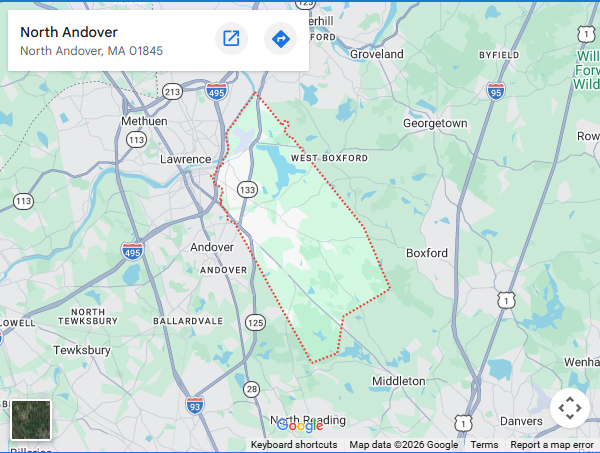
Discover North Andover MA, Nestled along the banks of the Merrimack River, North Andover MA is a town that many might simply pass by on their way to Boston or New Hampshire. But for those who pause to explore, North Andover reveals itself as a mosaic of deep history, vibrant local life, and a kind of rustic beauty that feels both distinctly New England and distinctly its own. You can find additional information in our North Andover community guide.

📜 A Past Etched in the Stones

Long before the colonial front doors and church spires, this area was home to the Pennacook and Naumkeag tribes, who fished in the Merrimack and named the area Cochichewick, meaning “great pond”—a nod to today’s Lake Cochichewick, still the town’s prized reservoir.

By 1646, English settlers arrived, laying down farms, mills, and meeting houses. Interestingly, North Andover was the original Andover, until a friendly disagreement over church locationsDiscover North Andover MA led to a split in 1855, giving birth to the separate towns of Andover and North Andover.
But not all chapters were peaceful—during the Salem witch trials, North Andover (then just part of Andover) contributed more accused “witches” than even Salem itself. Today, ghost tours and historical talks keep these eerie stories alive, ensuring the town’s past is never forgotten.

🌿 A Town that Breathes the Outdoors

While some Massachusetts towns seem glued together by bricks and asphalt, North Andover feels open, green, and almost pastoral.

  • Weir Hill, a Trustees of Reservations property, rolls up from the shores of Lake Cochichewick, offering sweeping vistas and trails where you’ll often meet locals walking dogs or trail runners chasing the sunrise.

  • Ward Reservation hides its playful surprise atop Holt Hill: the “solstice stones,” a small circle of rocks aligned to the sun’s path during equinoxes and solstices—New England’s mini-Stonehenge.

  • Cyclists and hikers love nearby Harold Parker State Forest, with its labyrinth of trails and hidden ponds perfect for fishing or a quiet picnic.

🎨 Small-Town Heart with a Creative Pulse

Drive through North Andover on a summer Saturday and you’ll likely stumble on a farmers’ market on the Town Common. The historic North Parish Church, with its spire cutting the sky since 1836, stands watch over local vendors selling honey, cut flowers, and fresh pies. Street musicians often set up by the old fountain, turning errands into mini-festivals.

The North Andover Historical Society, housed partly in the Johnson Cottage, regularly hosts exhibits that range from colonial craftsmanship to community art projects. It’s more than just preserving the past—it’s about fostering a sense of shared place.

🚜 Farms, Festivals & The Flavors of North Andover

Few towns blend farmland and suburb quite like North Andover. Family-run spots like Smolak Farms invite visitors to pick strawberries, apples, and pumpkins with views of the gentle Merrimack Valley hills. Kids feed goats, adults sip cider donuts with hot coffee, and the farm store bustles with local jams and pies.

In the fall, hayrides and giant pumpkin displays draw families from all over. In early summer, the Sheep Shearing Festival transforms the Common into a wooly celebration with artisans and spinning demos—a scene as delightfully quirky as it is timeless.

🏠 A Place People Choose to Call Home

Beyond the quaint scenes, North Andover is a thriving community of nearly 31,000 residents. Looking to rent in North Andover MA ? Many are drawn by top-rated schools, historic homes with wide front porches, and the easy commute into Boston via I-495 or the nearby MBTA commuter rail stations.

Yet despite its growth, the town still feels like a big village. Neighbors gather for tree-lightings in winter, for band concerts in summer, and for evening strolls that always seem to end in someone’s driveway sharing stories.

✨ Why North Andover Captivates

So why does this small town stay lodged in the memory long after you’ve left? It’s because North Andover balances contrasts so gracefully:

  • Old and new. Discover North Andover MA Colonial houses with original beams stand next to modern restaurants and lively coffee shops.

  • Wild and refined. Untamed forests edge neatly kept soccer fields.

  • Haunting history and hopeful future. From witch trials to one of Massachusetts’ most sought-after communities, it’s a place that doesn’t forget its roots, even as it grows upward and outward.

🚶 Your Invitation

Next time you’re looking for new digs or considering a quieter place to put down roots, take the turn off the highway and wind your way into North Andover. Wander the trails, sip some local cider, learn a ghost story, and maybe—like so many before—you’ll find it hard to leave.

✅ Final Take

North Andover’s real estate scene blends mature suburb appeal with dynamic market forces. Homes remain highly sought after, prices stable but strong, and the environment ideal for well-prepared buyers and strategic sellers.

Need a deep dive—like neighborhood-by-neighborhood breakdowns, school value correlation, or condo vs. single-family comps? I’m happy to line up the data!

Homes and condos for sale in North Andover MA

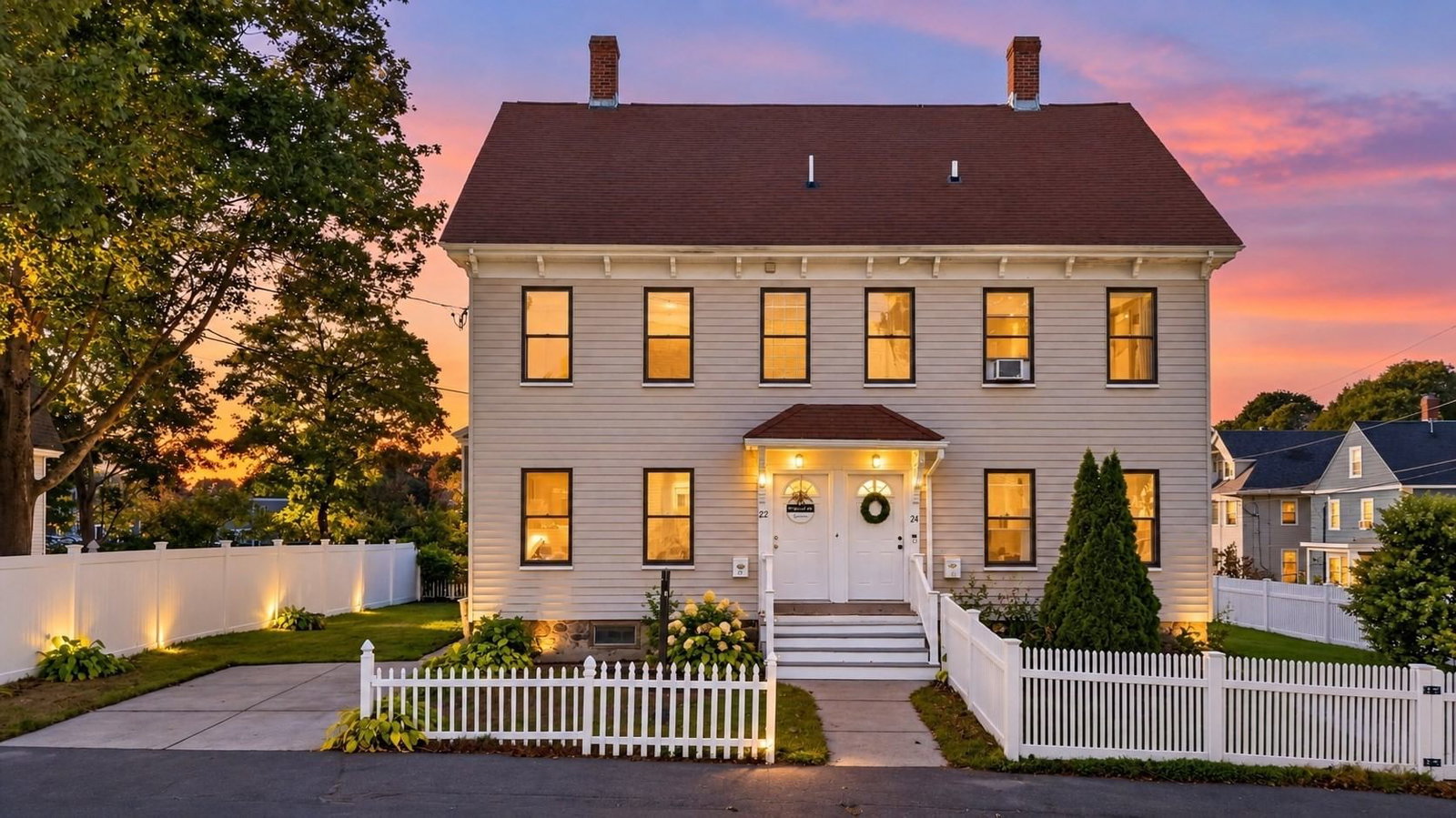
22 Cleveland St Active
$599,999
22 Cleveland St North Andover, MA
4 bd | 3 ba | 2,380 sq ft
282 Blue Ridge Rd Active
$1,300,000
282 Blue Ridge Rd North Andover, MA
4 bd | 4 ba | 4,660 sq ft
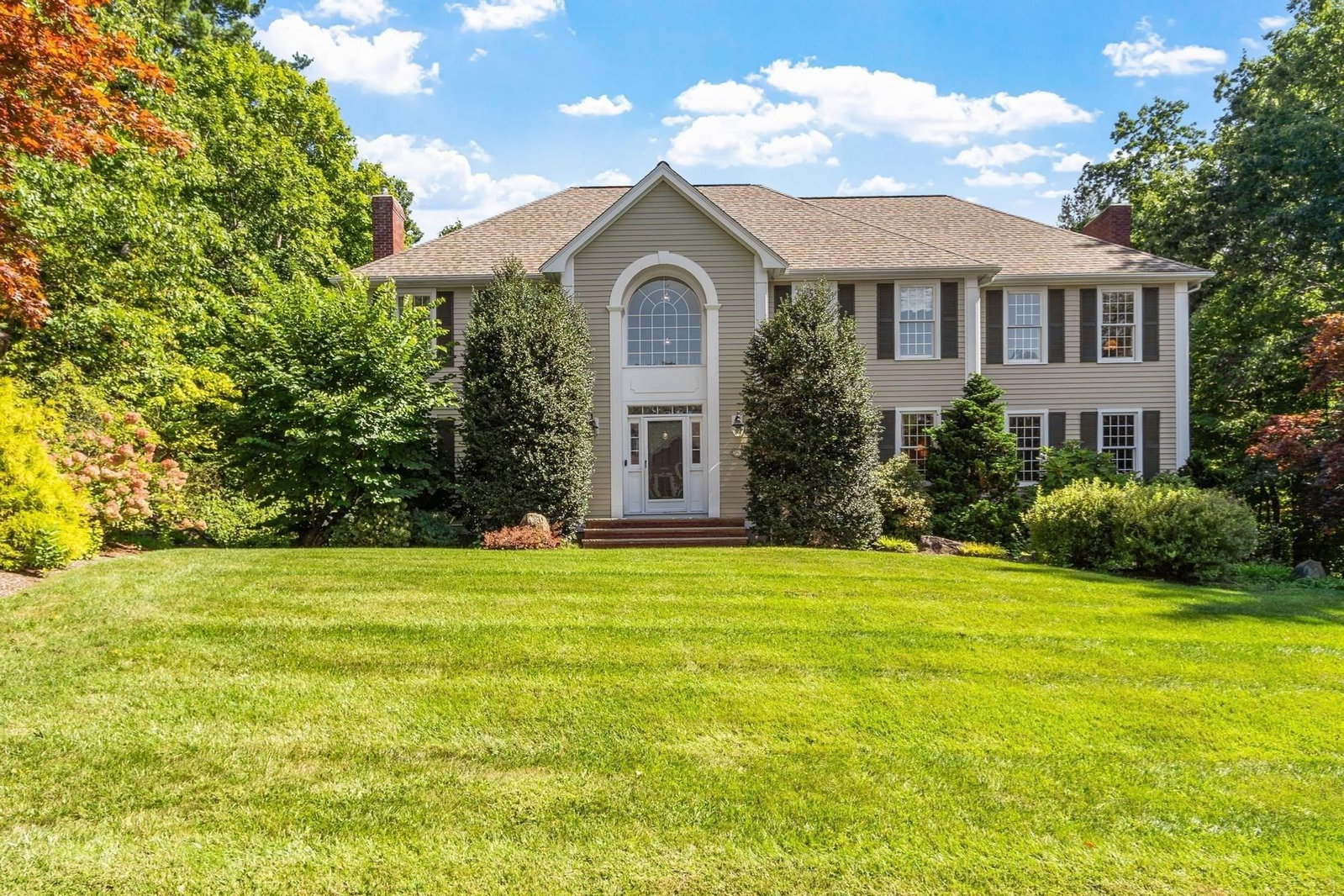
1 Breckenridge Road Active
$1,199,000
1 Breckenridge Road North Andover, MA
4 bd | 3 ba | 3,840 sq ft

How Ai Is Lowering Real Estate Commissions

If there’s one thing that’s become clear over the past few years, it’s that AI is lowering real estate commissions by changing the way homes are marketed. Twenty years ago, listing a home meant paying for newspaper advertisements, magazine spreads, printed brochures, direct mail campaigns, and other expensive forms of traditional advertising. Those costs were built into the commission structure because they required significant time, labor, and money. Today, nearly every buyer begins their home search online, and artificial intelligence has dramatically reduced the cost and time required to market a property effectively. The question many homeowners are beginning to ask is simple: Why should I pay yesterday’s commission for today’s technology?

Check out SmartSave to find out if your home qualifies for a reduced listing commission.

How Ai Is Transforming Real Estate Marketing

Artificial intelligence has streamlined nearly every aspect of real estate marketing. AI can write professional property descriptions in seconds, enhance listing photos, create virtual staging, produce social media posts, generate video scripts, optimize listing pages for search engines, and even automate follow-up emails to prospective buyers. Tasks that once consumed hours can now be completed in minutes. Rather than replacing the real estate professional, AI allows experienced brokers to spend more time pricing homes accurately, negotiating favorable terms, and guiding clients through the transaction while technology handles many of the repetitive marketing tasks. Ai may be transforming the marketing side but experience and negotiating skills of the agent or broker you hire still matter greatly.

If technology now handles much of the marketing……why should you pay the same commission structure that existed 20 years ago?  Answer: You shouldn’t.


Why Sellers No Longer Need to Pay Yesterday’s Marketing Costs

The numbers tell the story. According to the National Association of REALTORS®, approximately 96% of home buyers use the internet during their home search, while only a small percentage discover homes through traditional print advertising. At the same time, digital marketing reaches a far larger audience than newspapers or magazines ever could. Listings are syndicated through the MLS to hundreds of real estate websites, promoted across search engines and social media, and enhanced with AI-powered marketing tools that continuously improve visibility. As marketing costs continue to decline through automation, many forward-thinking brokerages are finding ways to pass those savings on to their clients through lower listing commissions.

Technology Saves Time Without Sacrificing Service

While AI is lowering real estate commissions, it isn’t replacing the value of an experienced real estate broker. Sellers still need expert pricing advice, strong negotiation skills, local market knowledge, contract management, and someone to advocate for their best interests from listing to closing. What has changed is the cost of marketing a property. Technology now allows brokers to deliver exceptional online exposure more efficiently than ever before. Homeowners no longer need to pay commissions based on a marketing model created decades ago. Instead, they can choose a brokerage that embraces innovation, delivers outstanding service, and helps sellers keep more of the equity they’ve earned.

Massachusetts Shifts the Burden: New Law Eliminates Renter-Paid Broker Fees

In a significant move to reduce housing costs and promote transparency, Massachusetts has passed a new rental law that reshapes how broker fees are handled in the residential leasing process. New MA law Bans Renter‑Paid Broker Fees A Landmark Rental Law Takes Effect August 1, 2025, renters in the state will no longer be obligated to pay broker fees—unless they’ve hired the broker themselves. This new law comes on the heals of other MA legislation with the new MA home inspection law.

What the Law Does

The law introduces a simple but powerful rule: whoever hires the broker pays the broker. Traditionally, landlords would enlist real estate agents to help fill vacancies—but the cost of that service was often passed onto the tenant. Now, that practice is no longer allowed unless the renter explicitly chooses to work with a broker to find housing.

This change targets one of the most burdensome and confusing parts of the rental process—steep broker fees that could cost renters up to one full month’s rent, often due upfront along with first month’s rent, last month’s rent, and a security deposit. For tenants already stretching to afford move-in costs, the reform is a welcome relief.

How It Works

Under the new law:

  • If a landlord or property manager hires a broker, they must pay the broker fee.

  • If a renter voluntarily hires a broker, they are responsible for the fee—but only in that scenario.

  • Brokers and landlords are prohibited from shifting this fee back to tenants through indirect charges or misleading practices.

This law does not ban the use of real estate brokers, nor does it prevent tenants from hiring one if they wish. What it does is ensure that renters are only charged when they receive a service they specifically asked for.

Implications for Renters and Landlords

For renters, the most immediate benefit is financial. Eliminating the automatic broker fee removes a substantial up-front cost in finding an apartment and can make moving more accessible, especially for lower-income households or those moving on short notice.

Landlords, on the other hand, will now face a choice. If they want professional help marketing a unit or screening tenants, they’ll need to account for that expense themselves. Some may choose to absorb the cost, while others may attempt to adjust rent prices to compensate over time.

What Could Change

The law is expected to increase transparency in lease transactions and promote fairer cost distribution. However, some concerns remain:

  • Rent increases could be used to recoup broker expenses.

  • New types of fees might emerge under different names.

  • Tenant confusion may persist if enforcement and education are weak.

Despite these concerns, the overall effect is likely to be a more renter-friendly leasing environment—at least in the early stages.

Support for Reform

  • Advocates at Greater Boston Legal Services (GBLS) and the Massachusetts Law Reform Institute (MLRI) hailed the change as a major victory, removing unjust financial burdens from renters. mlri.org

  • Gov. Maura Healey championed the measure as part of her FY 2026 budget, calling broker fees “unfair” and noting renters shouldn’t pay for services they didn’t request.Mass.gov

  • Zillow and other housing advocacy groups expressed their support, citing the disproportionate cash burdens on tenants that could be alleviated.Mass.gov

Key Takeaways

Feature Details
Effective Date August 1, 2025
Renters’ Responsibility Only pays broker fees if they personally hire the broker
Landlords’ Responsibility Pays broker fees if they engage the broker
Primary Goals Lower up-front renter costs, increase fairness, shift cost to appropriate party
Risks Potential rent hikes or fee loopholes if landlords pass on costs
Enforcement Needs Vital to ensure landlords comply and don’t indirectly charge tenants

Bottom Line

Massachusetts’ new renter-paid broker fee ban is a meaningful reform to lighten the financial load on renters and correct a longstanding imbalance in rental practices. However, its ultimate success depends on careful implementation and vigilance—both to prevent hidden cost-shifting and to push broader rental protections forward. The new MA law Bans Renter‑Paid Broker Fees A Landmark Rental Law Takes Effect August 1, 2025

Looking Forward

This new regulation marks a step toward rebalancing the Massachusetts rental market, which has long favored property owners and intermediaries. While it won’t solve broader issues like rising rents or housing supply shortages, it does target a key friction point in the leasing process.

As the law takes effect, renters should remain aware of their rights, ask who hired any broker involved, and push back on illegal or hidden fees. Meanwhile, landlords and brokers will need to adjust their business models to meet the new standard of fairness and clarity that Massachusetts now demands.